We sailed to Lanai on Tuesday, Dec.6th. The Kona Winds are here, meaning light winds between 5 to 15 knot winds in the channels. We found 12 to 15 steady knots of wind and with the full main and the #4 jib and averaged 7 knots boat speed for two-thirds of our trip. Behind Lanai the wind shadow dropped the wind to an average of 5 knots, so we motor-sailed and kept boat speed over 6 knots.
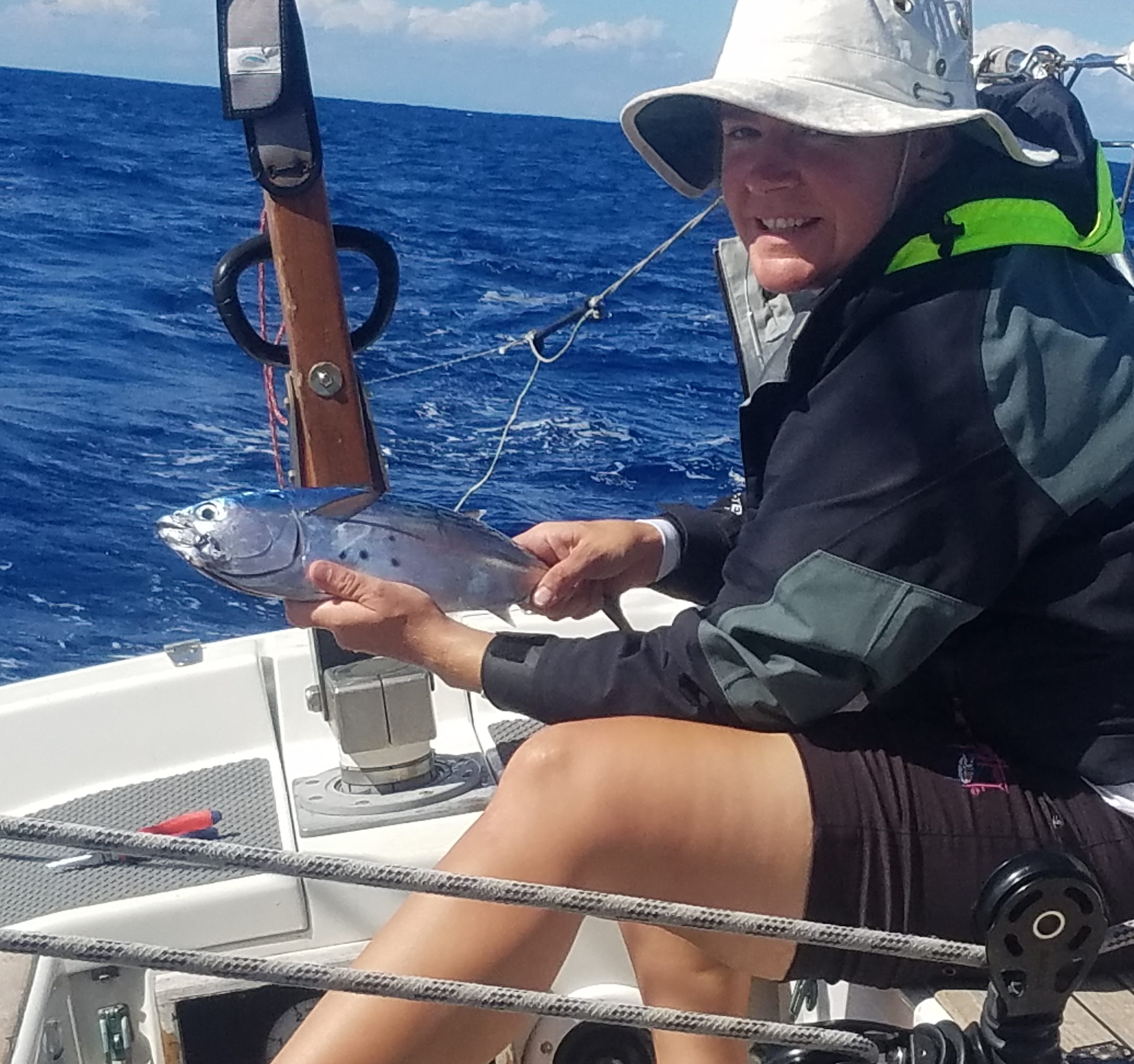
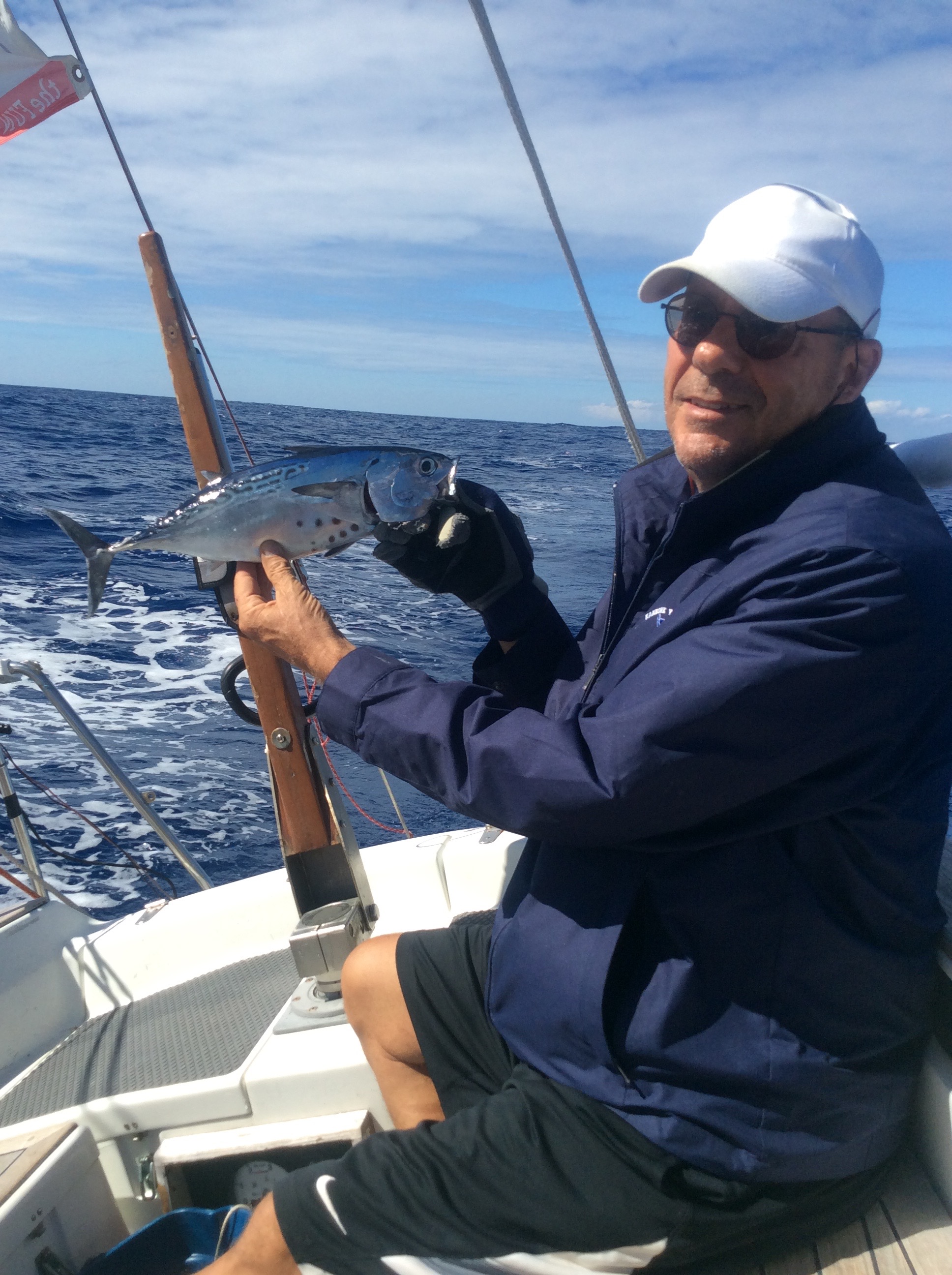
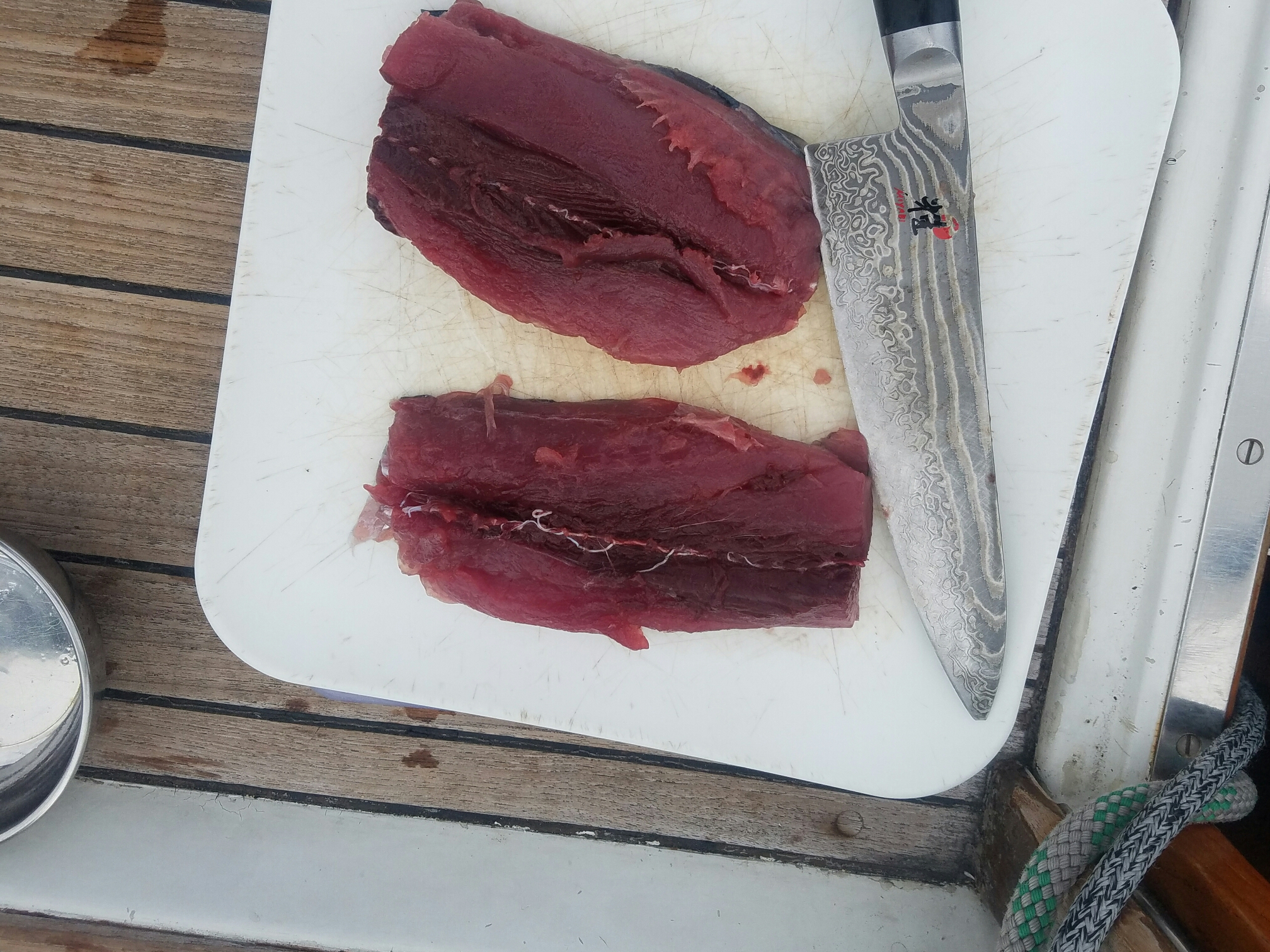
We caught our first tuna fish yesterday. I bought a pink fly lure designed to attract tuna, and it worked. The fish was small but we had to keep it, as the hook was set deep in his jaw and it probably would not live if we threw it back. It was an Ahi, a red tuna very popular in HI.
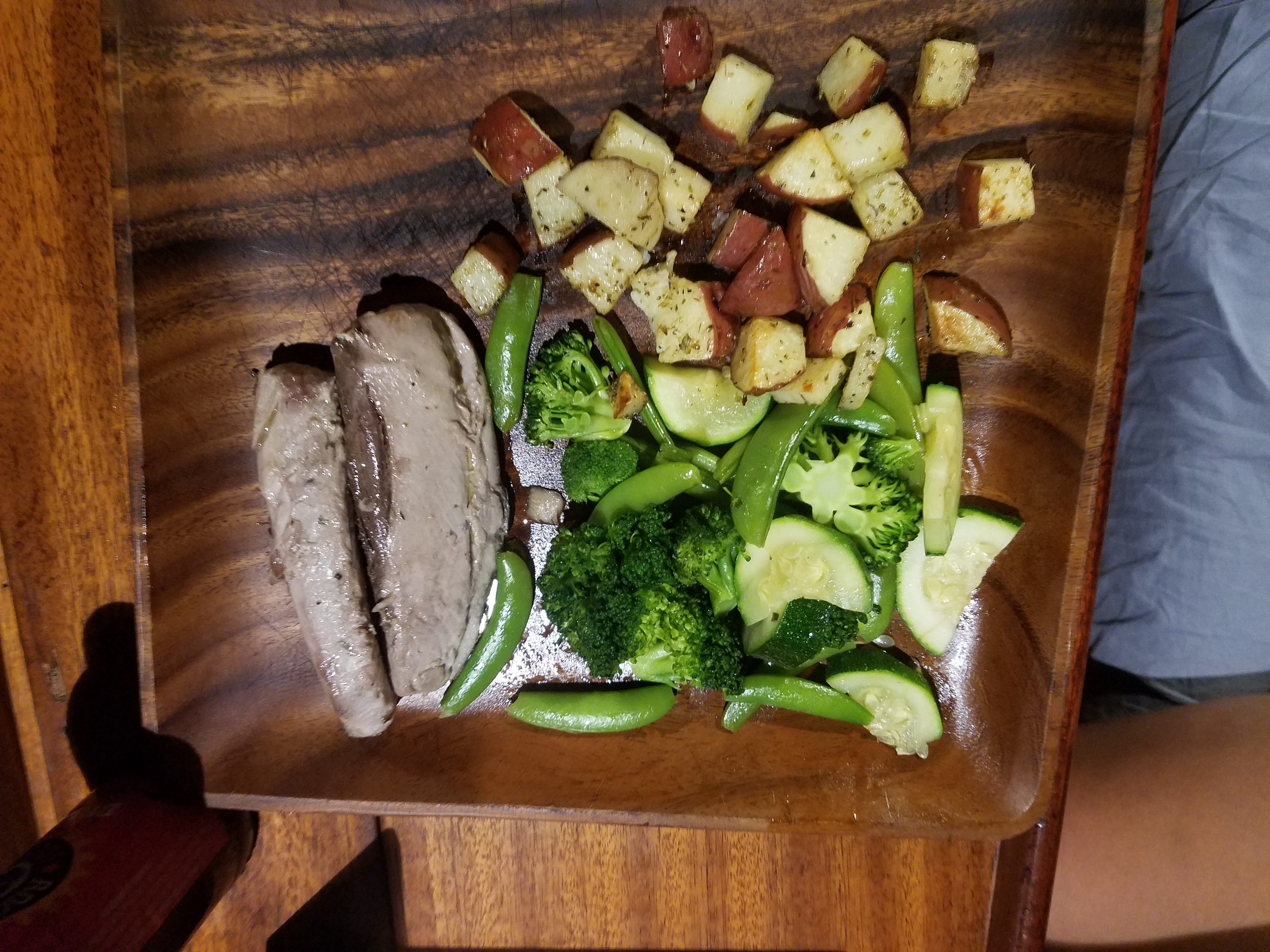
We ate the Ahi tuna in an omelette for breakfast and lightly seared in a frying pan for dinner. Delicious.
We went snorkeling today outside the breakwater in Manele Bay and saw schools of fish reaming around the coral heads. We were watching a turtle when it decided to come up for air, and came right by me while I had my camera out. I got some clear pictures because he was very close to me and near the surface.
We are planning to cross over to Kona on the Big Island, but it is 85 miles from Lana’i. The trip could take 15 to 20 hours to complete so we need favorable conditions. Right now, there is not enough wind in the weather models. We did find more wind than forecast yesterday, but tomorrow has 3 knot winds and significant rain in the forecast, so we might wait until Friday. We can stay here another day, or go over to Lahina tomorrow. I will decide in the morning. Stay tuned.
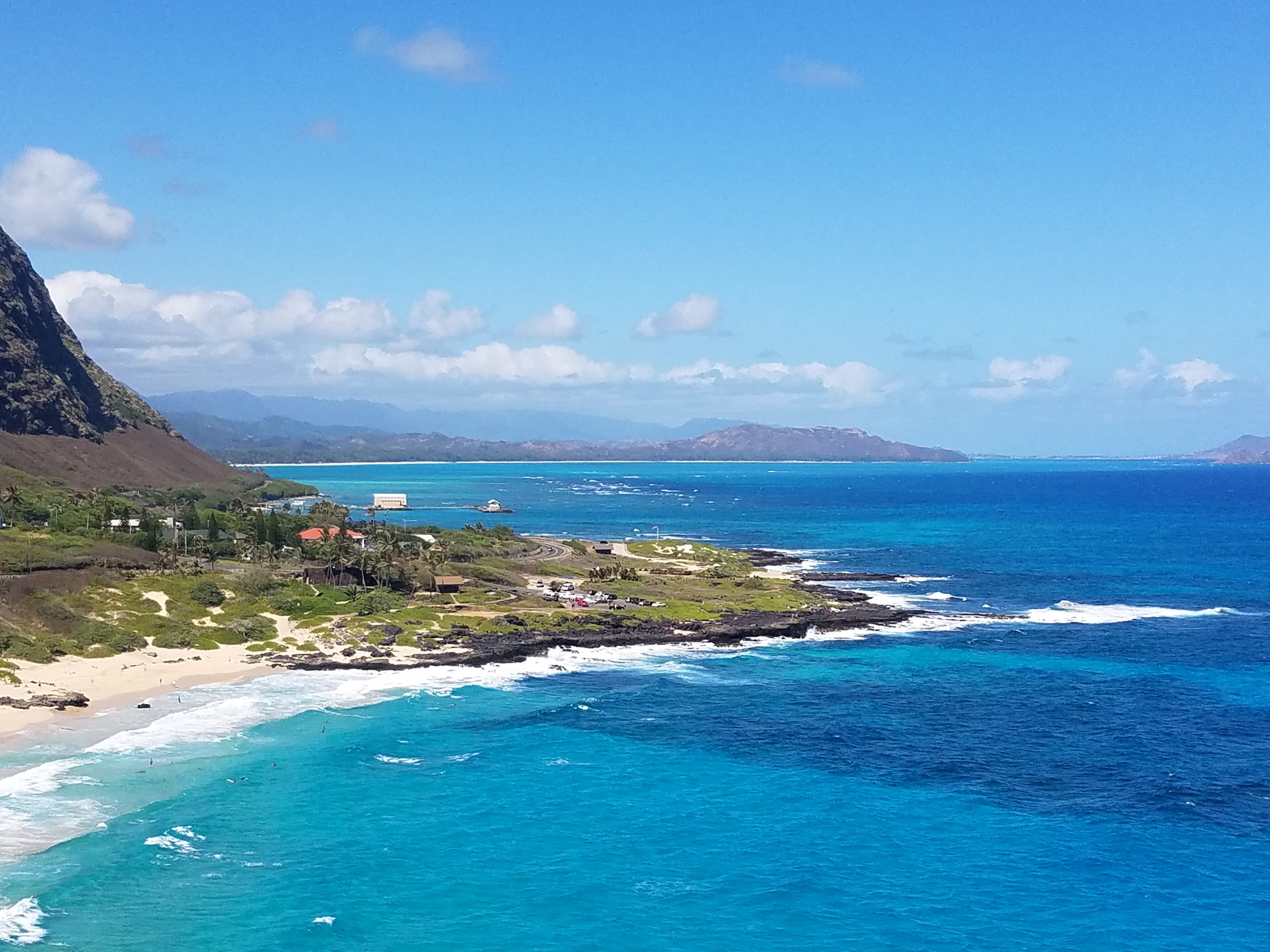
We have been on Oahu over the past four weeks, taking care of business and not sailing for awhile. We rented a car for a week and spent a couple of days being tourists and exploring the incredible and diverse island of Oahu, which is much more than just Pearl Harbor and Honolulu. Here is a set of pictures from traveling around the so-called East Side of Oahu, starting with the Diamond Head Carter Park, and continuing around to Kailua and Kaneohe Bay.
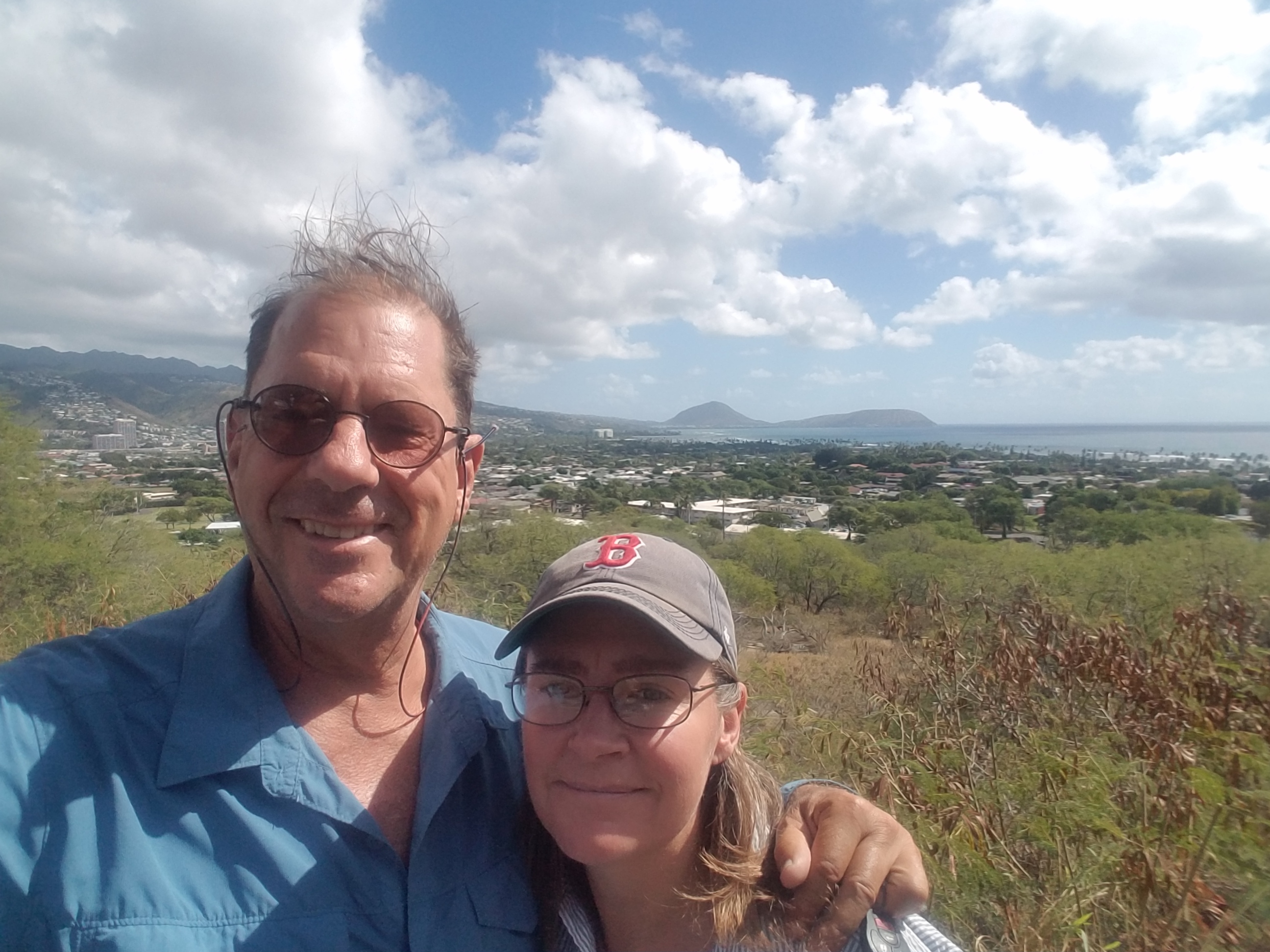
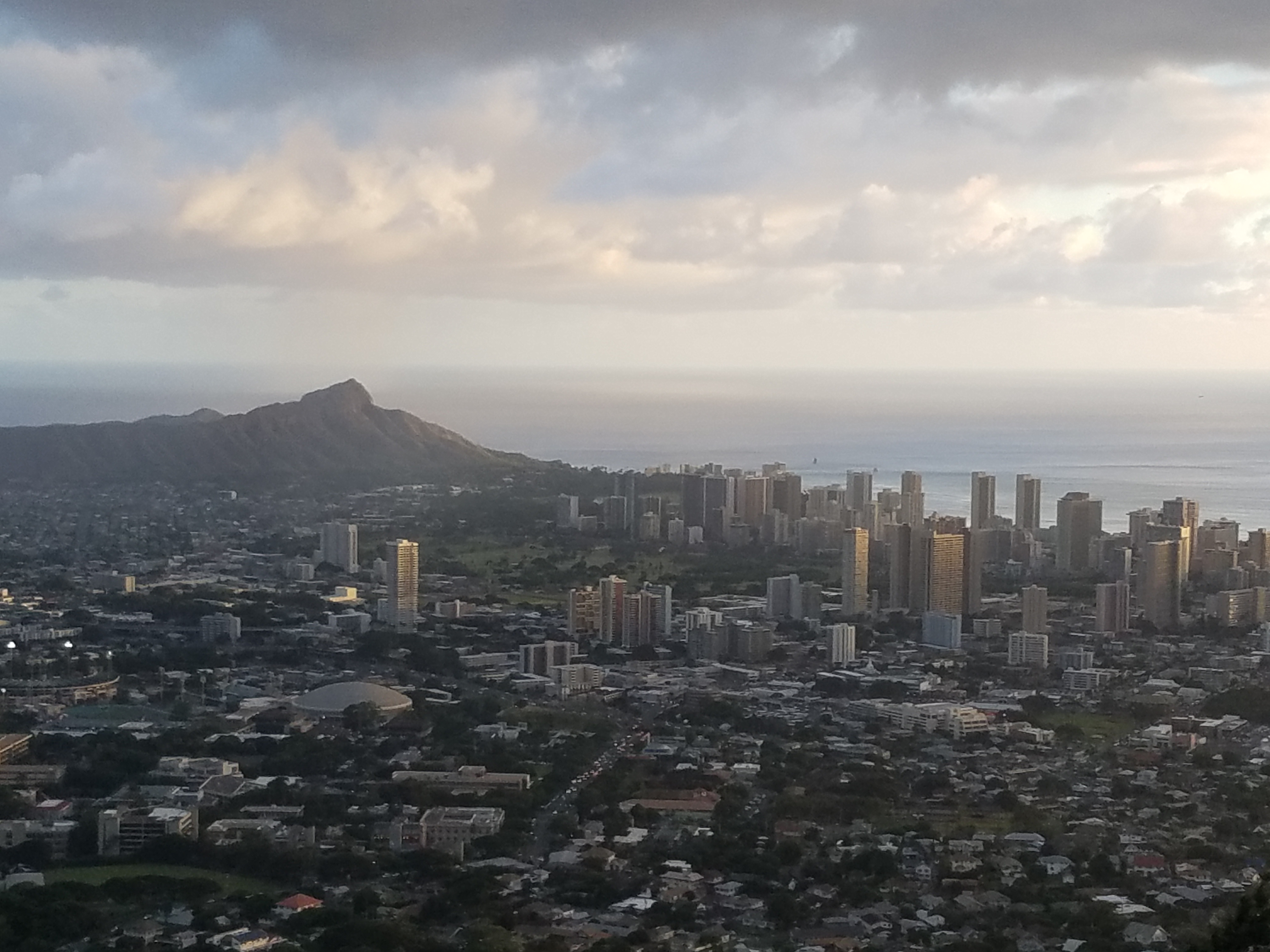
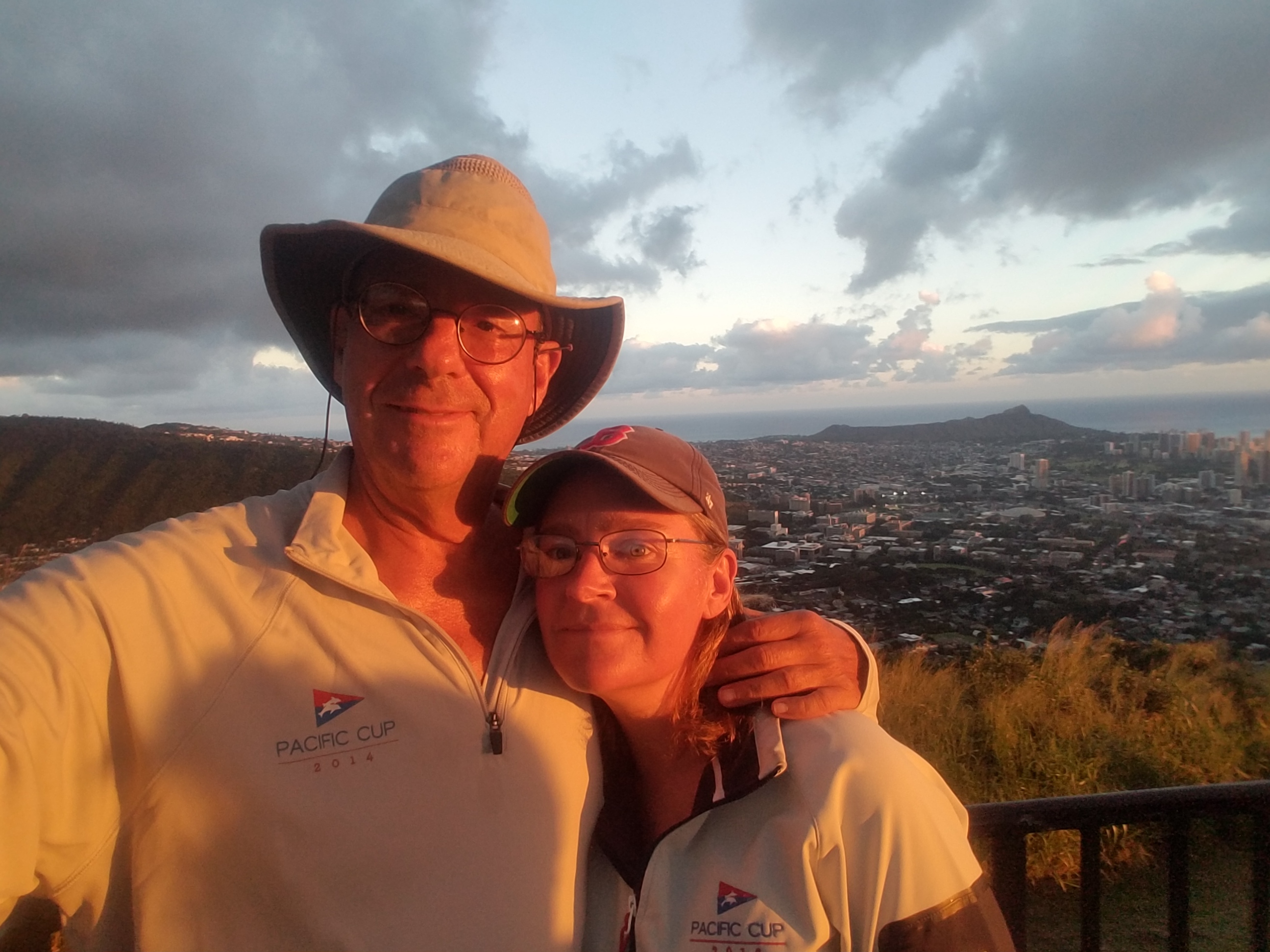
A few days later we drove up to a park over Honolulu on Tantalus Drive. The Park had a big panoramic view from Koko Head to Honolulu Airport, more than 180 degrees. We got there right at sunset.
We have moved to a new slip on a different dock in the Kewalo Harhor, E-215. There are several liveaboards around us. One of them, Rene had a birthday and invited us out for a short sunset sail out the Kewalo Harbor channel. Tom went and had a great time driving a different boat (a ketch, big and slow to turn), with lots of room on the forward and aft decks for a party.
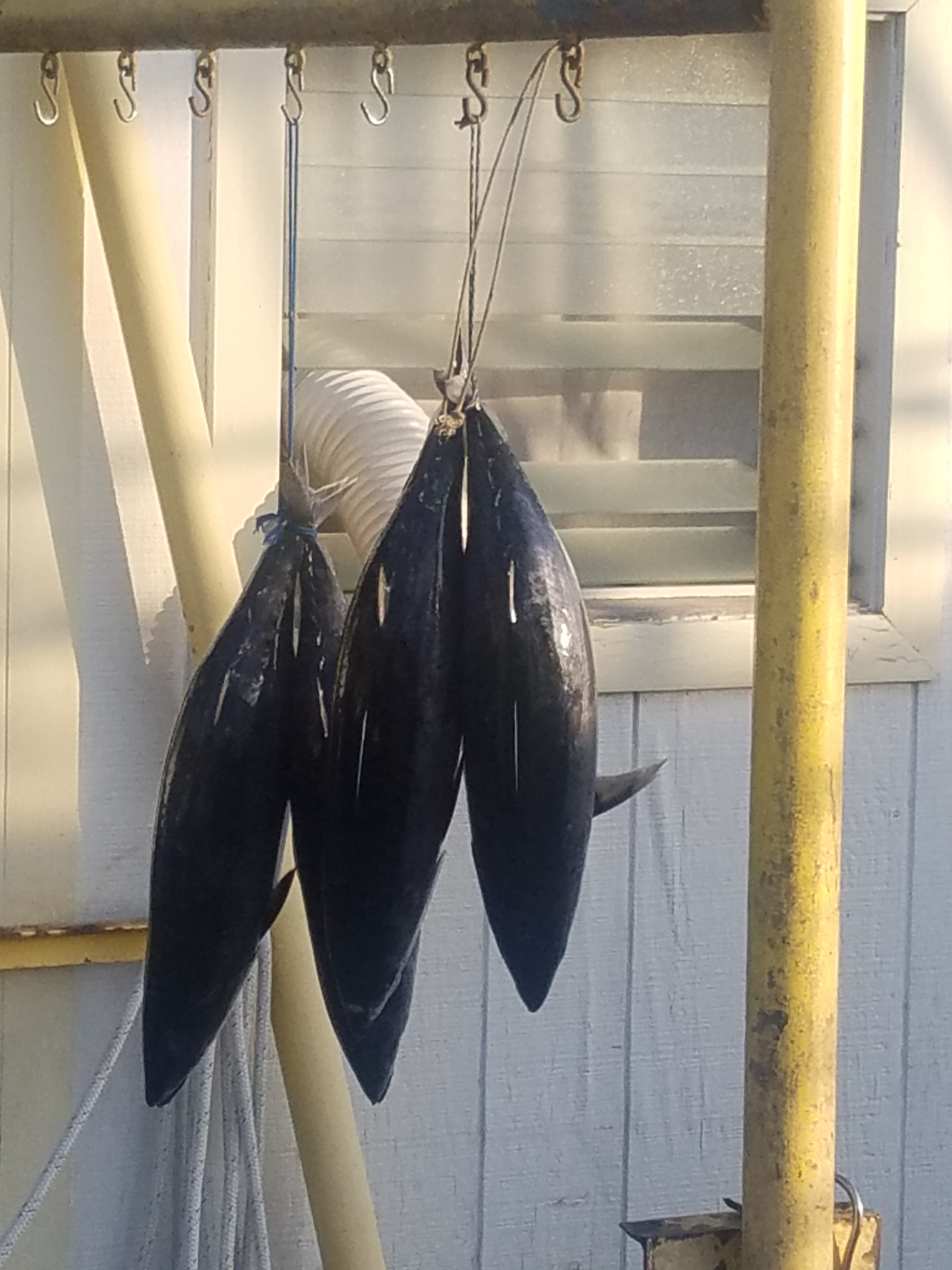
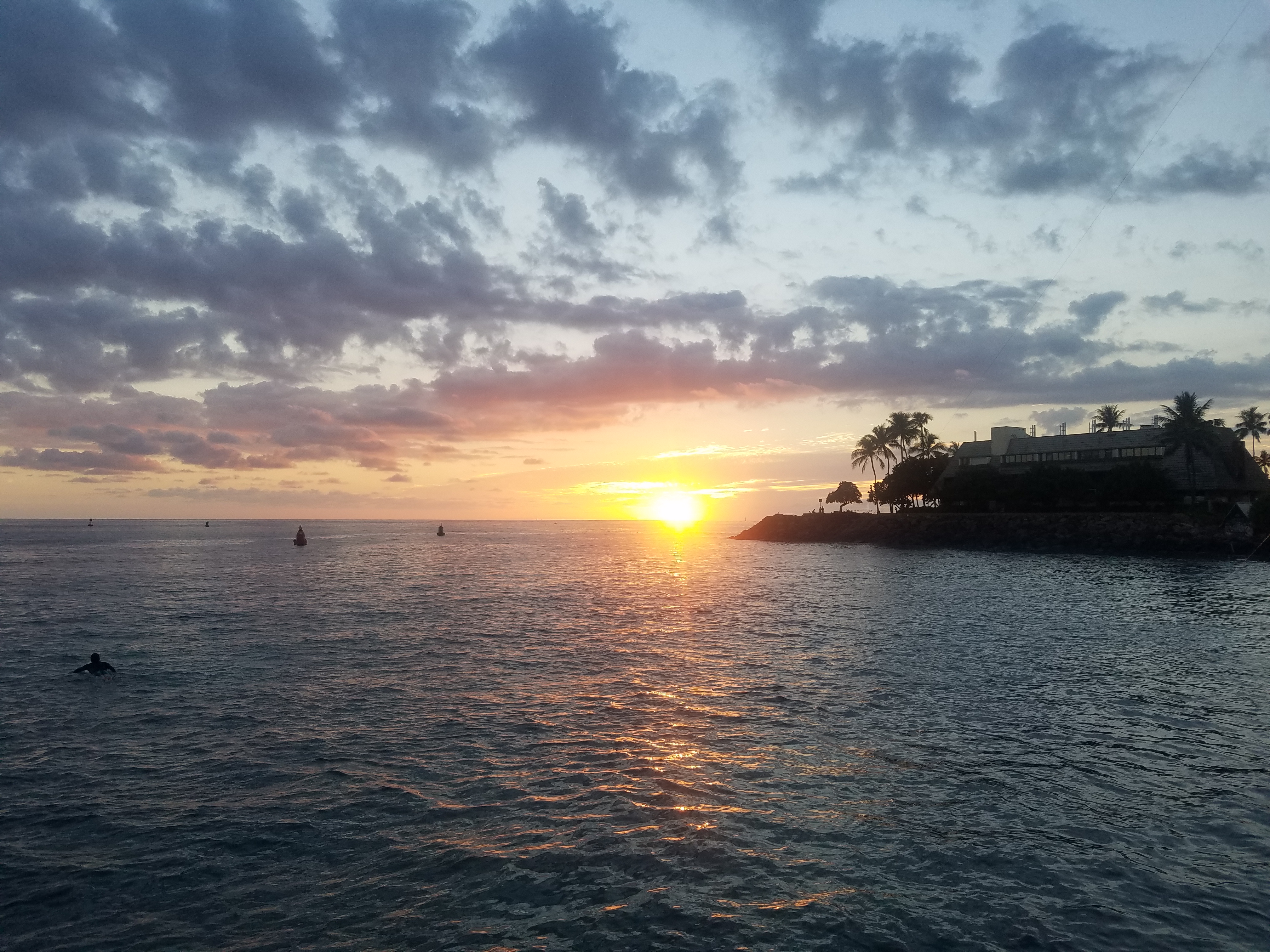
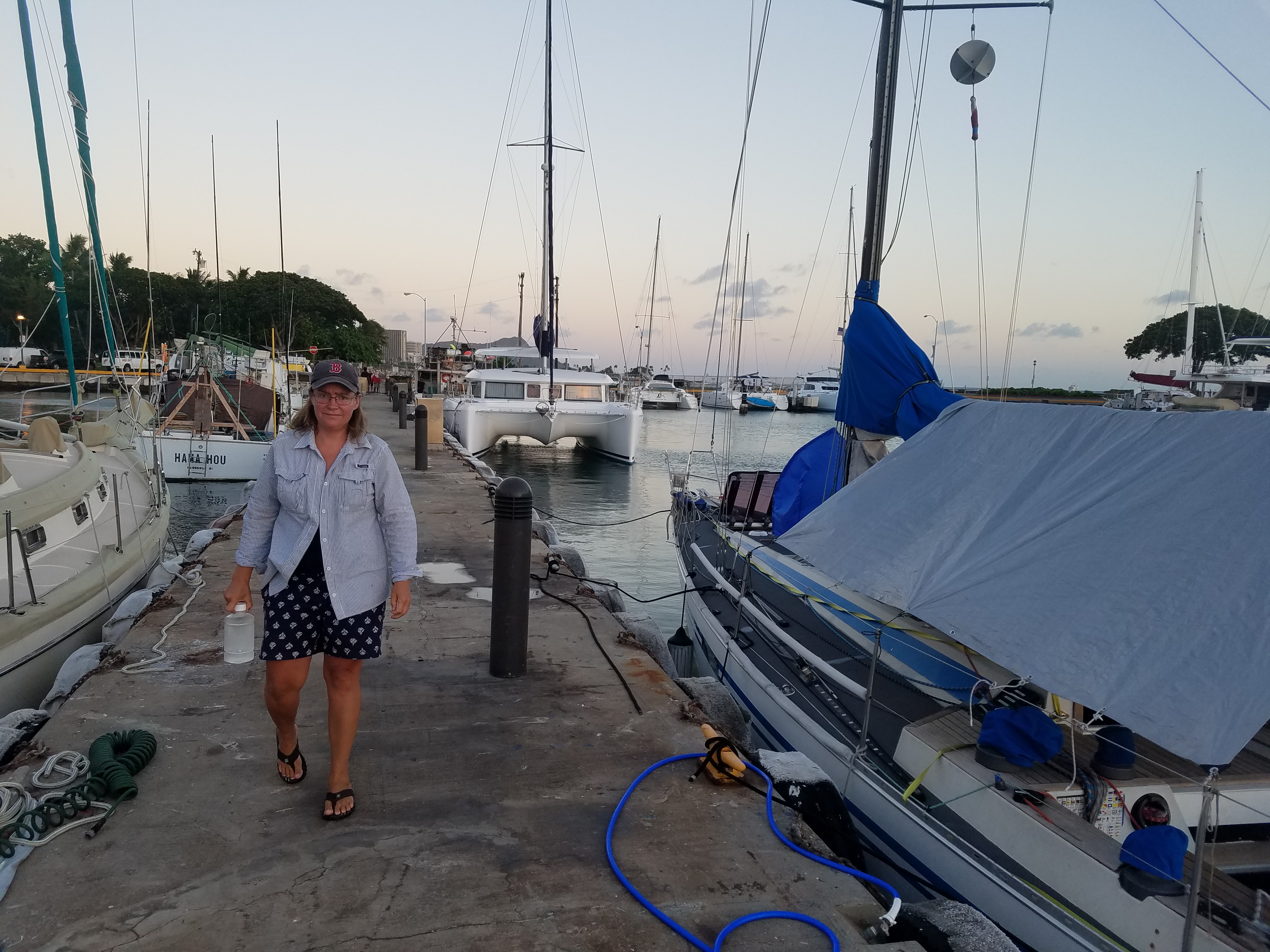
Kewalo Harboar has an active fleet of commercial fishing boats, scuba diving boats, and party boats, including a pirate boat. When a fishing boat comes in with a big marlin or some tunas, we often stop and ask questions about what they used to catch the it. We also like to take walks in the early evening to see the sunset. The sunsets at the west end of Ala Mona Park, at the entrance to Kewlao Harbor, are pretty good.
We sailed over to Kanehoe a few days ago, and will stay here though Thanksgiving. Tom was invited to play in a tennis tournament on Saturday. Our next big sailing adventure will be to the Big Island to see the Kilauea volcano. Lava is flowing from Kilauea into the ocean, and we are curious how close we can get to it. Stay tuned…
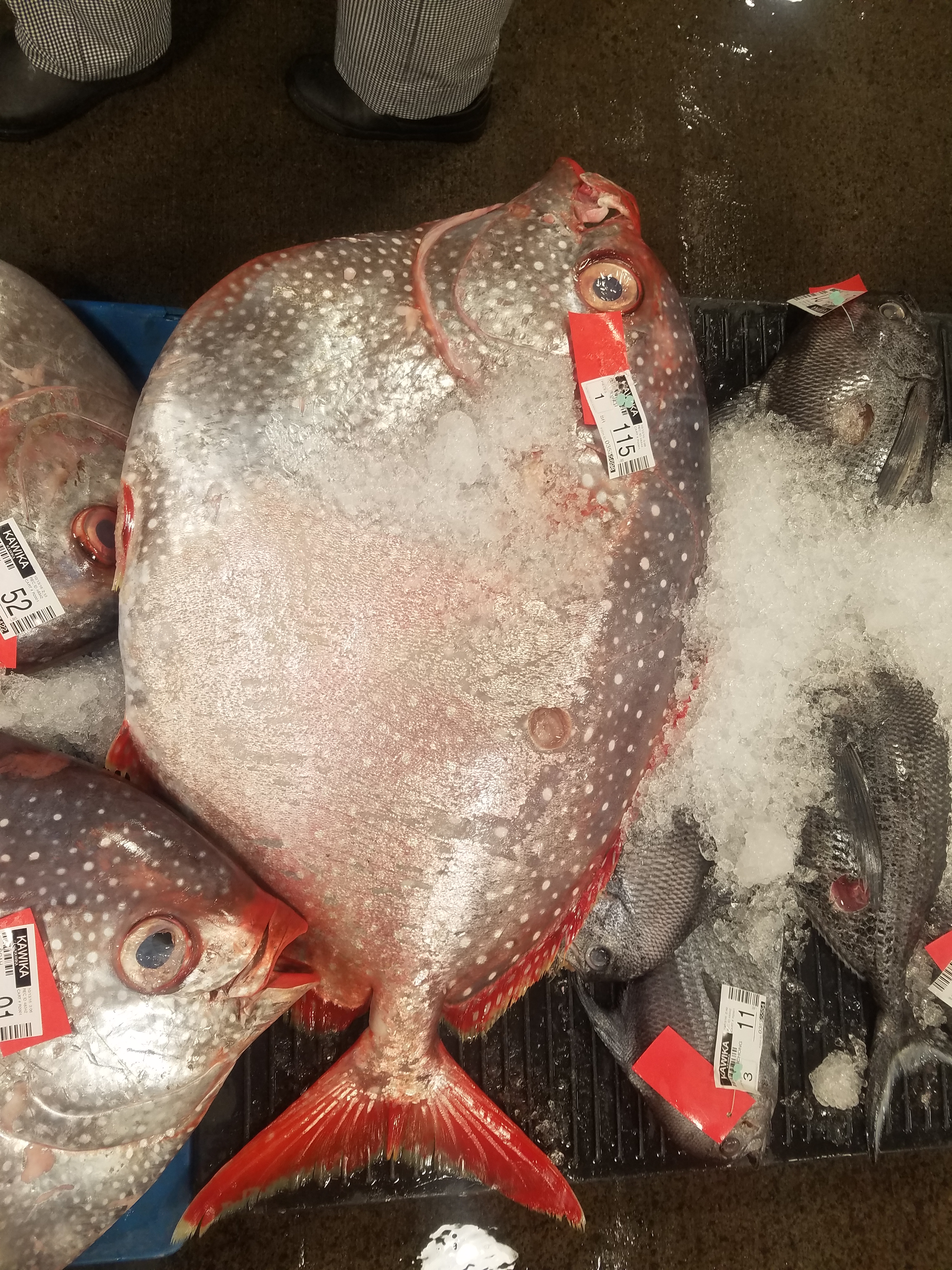
Last week we got up at 5am and took the bus to the Oahu Fish Market. We had been hearing about it from sailors and fishermen who took their catches there to be sold. We signed in and got boots. There was a constant flow of fish coming off boats that just landed, and a walking auction where the buyers inspected the core samples from each fish. The big Ahi were in high demand. I found the Opah quite beautiful. Here is a picture of Megan standing in her boots.
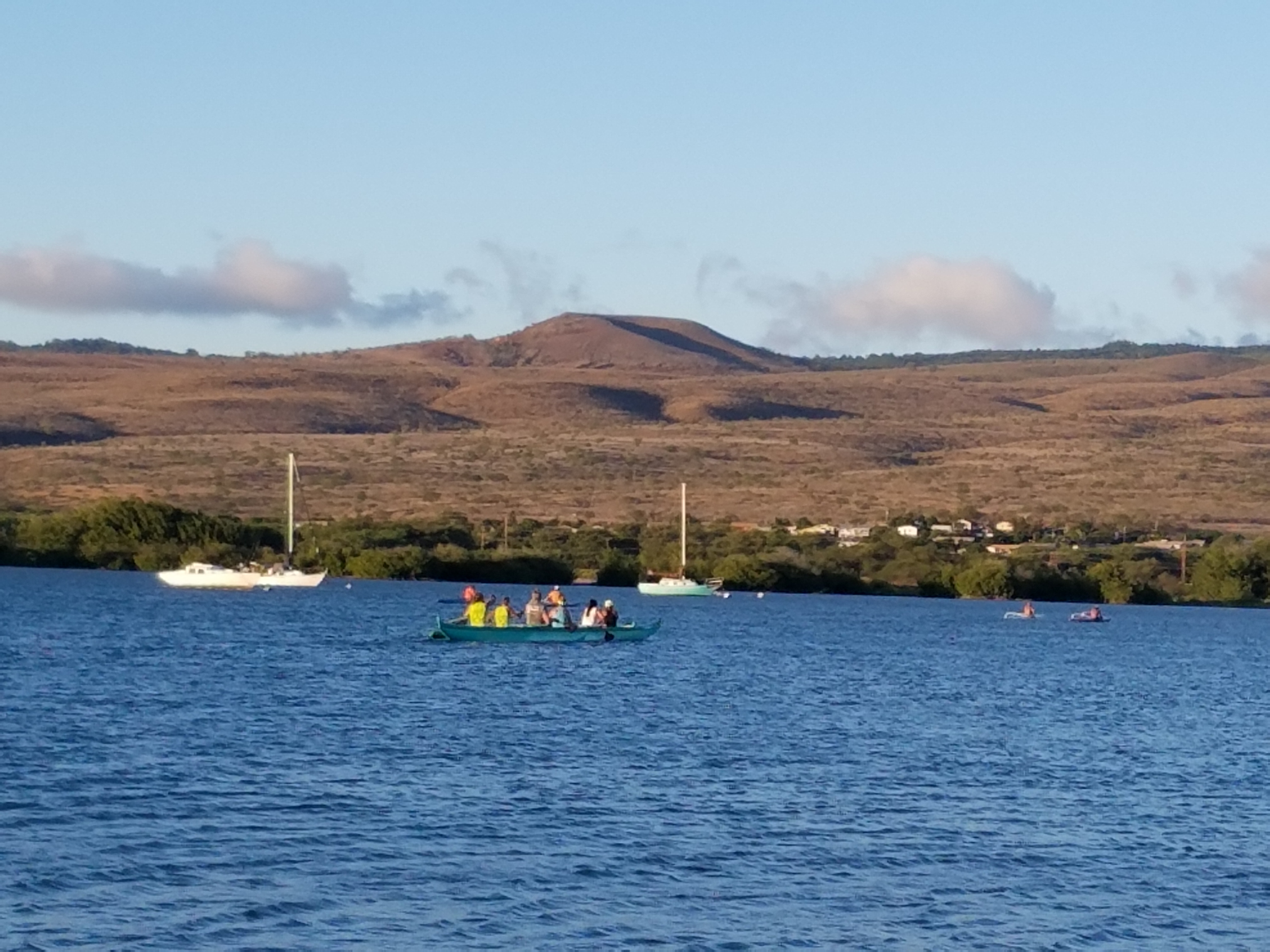
Monday morning, this week we sailed to Molokai. We motor-sailed most of the 40 miles through upwind 20 to 26 knot winds and made Kaunakakai in 9 hours. Tuesday we decided to stay a day and clean up the boat and our bodies; wash off the salt water that splashed and surged over Avion’s bow along the way, rinse our foulies and do laundry. We paid $16.40 to stay one night. I caught a picture of the Molokai Canoe club practicing nearby in the late afternoon.
Wednesday we sailed to Lanai and ManeleBay. We left early but still caught the strong 25 knot trade winds in the channel. We sailed on a reach most of the way, with the second reef in the main, almost due south. About halfway across we were hailed on channel 16 by a tug boat towing a petroleum barge. I had AIS on, so he knew the name of my boat. He hailed “Avion, please respond with your intention to cross my bow. I am towing a petroleum barge 18 hundred yards behind my tugboat.” I looked around and saw the tug was behind the mainsail, which had blocked our view to the west. Once I saw that we had plenty of separation and room to maneuver, I told him we would slow down and cross behind his barge. We changed to a course almost dead down wind and he passed safely in front of us.
We finally got behind the island into the leeward wind shadow. The wind dropped to 12 and then 7 knots. I fired up the Yanmar and we motor-sailed around the western side of Lanai. We came into ManeleBay harbor at dead low tide. Some sailors think this is a good idea, because all the obstacles are exposed, but I am not so sure. As we came around the jetty, a ferry boat was backing out, routinely. I knew the Captain did not see us so I stopped and waited until he completed his turn. We finally passed-by the ferry to port, the water was muddy so we could not see the bottom or how shallow it was. I moved ahead very slowly. Avion hit a rock and bounced but kept moving forward. I then spotted and avoided several more shallow rocks to port. We slowly made it into the basin and took slip #15, straight ahead. The keel was scrapping the top of the soft mud under the slip, but I knew the tide was coming back and we tied up to the dock. Avion was happily floating again in minutes and all was well again. We had two interactions with bigger boats, both of which could have been dangerous.
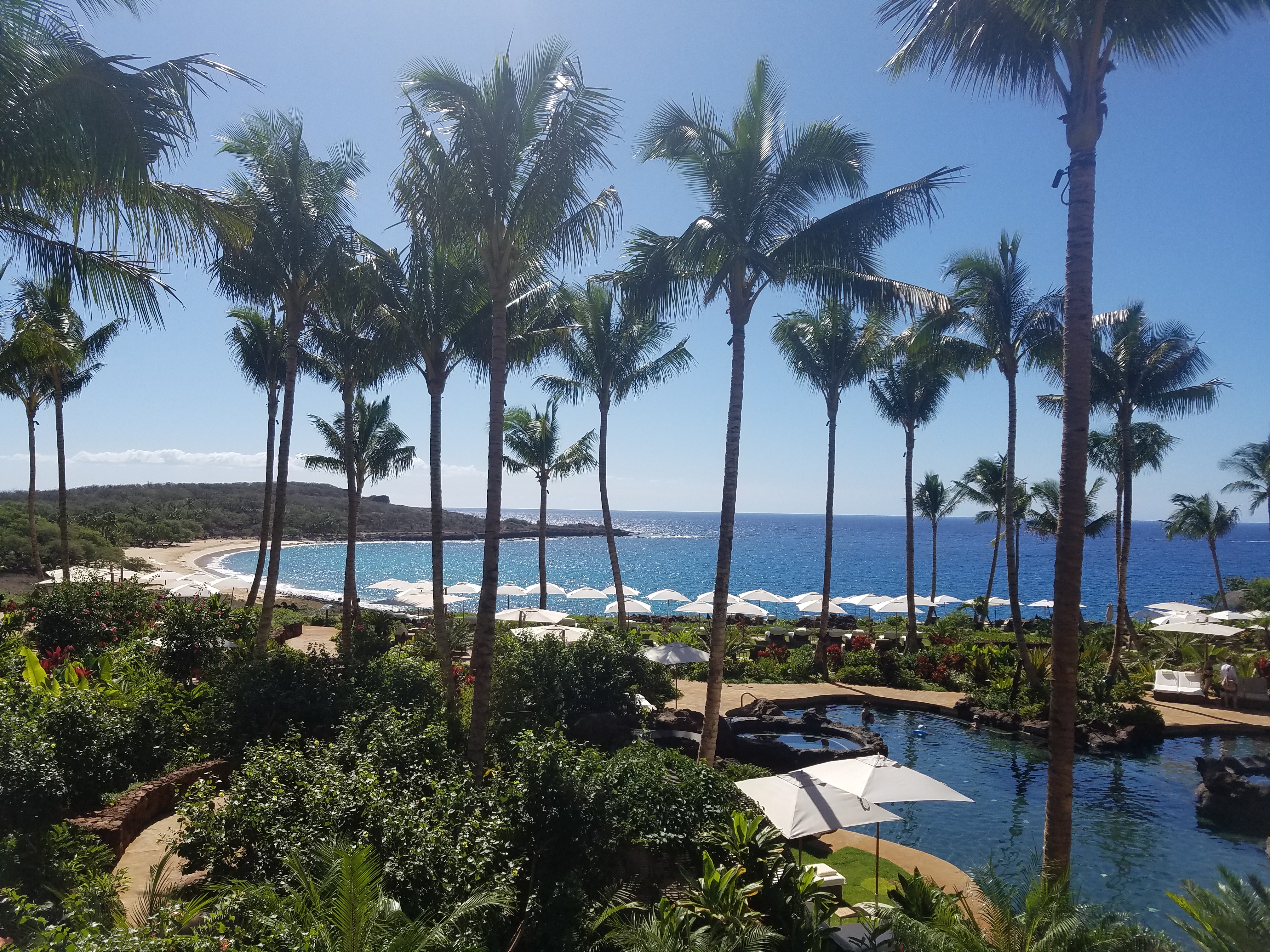
At sunset We walked over to “Larry’s”, the Four Seasons resort to look around. Larry Ellison bought the island from a Murdock (not Rupert) five years ago. We wandered around and found a sports bar, ordered beers and stayed to eat a local venison burger and watct the CNN summary of the debate. The menu says this is where Bill Gates was married. We decided not to stay overnight, as the rooms start at $1,014 per night, a bit over our budget. We did go back and swim in the pool in the morning, before being outed by the towel lady who demanded our room number. The only choice was to admit to living on a boat; I argued that we spent a lot of money there last night on dinner ($92 for burger and beer), so we thought we might be allowed a quick swim to start the day. This is a picture of the place and beach where we did not stay.
We will sail over to Lahina on Maui tomorrow. It is a 20 mile trip, so we can snorkel in the morning before departing. We have reserved slip #96 in the harbor. We want to come back in early January when Megan’s sister and family come to vacation on Maui, so we are going to complete paperwork for a temporary mooring permit for early January.
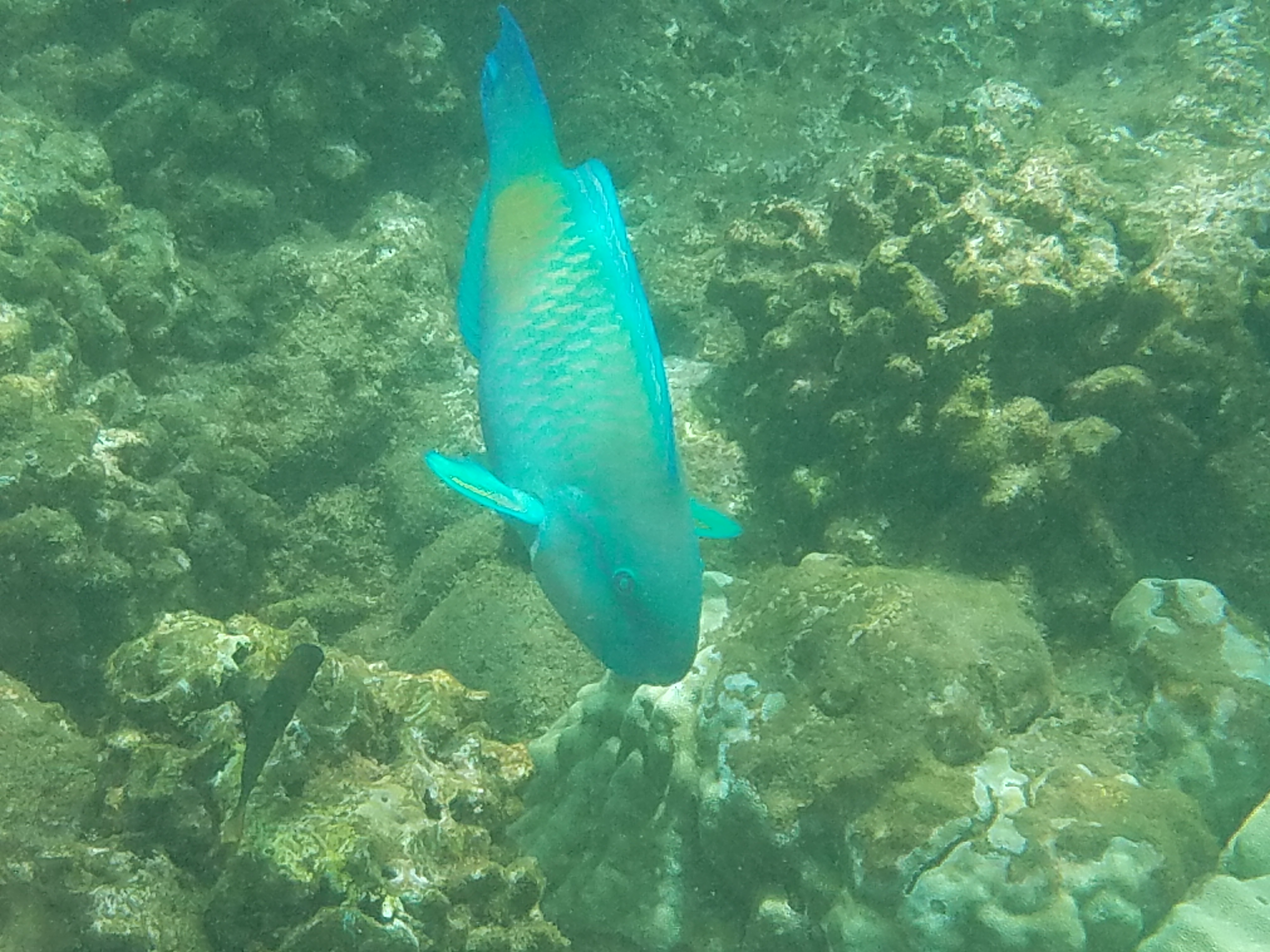
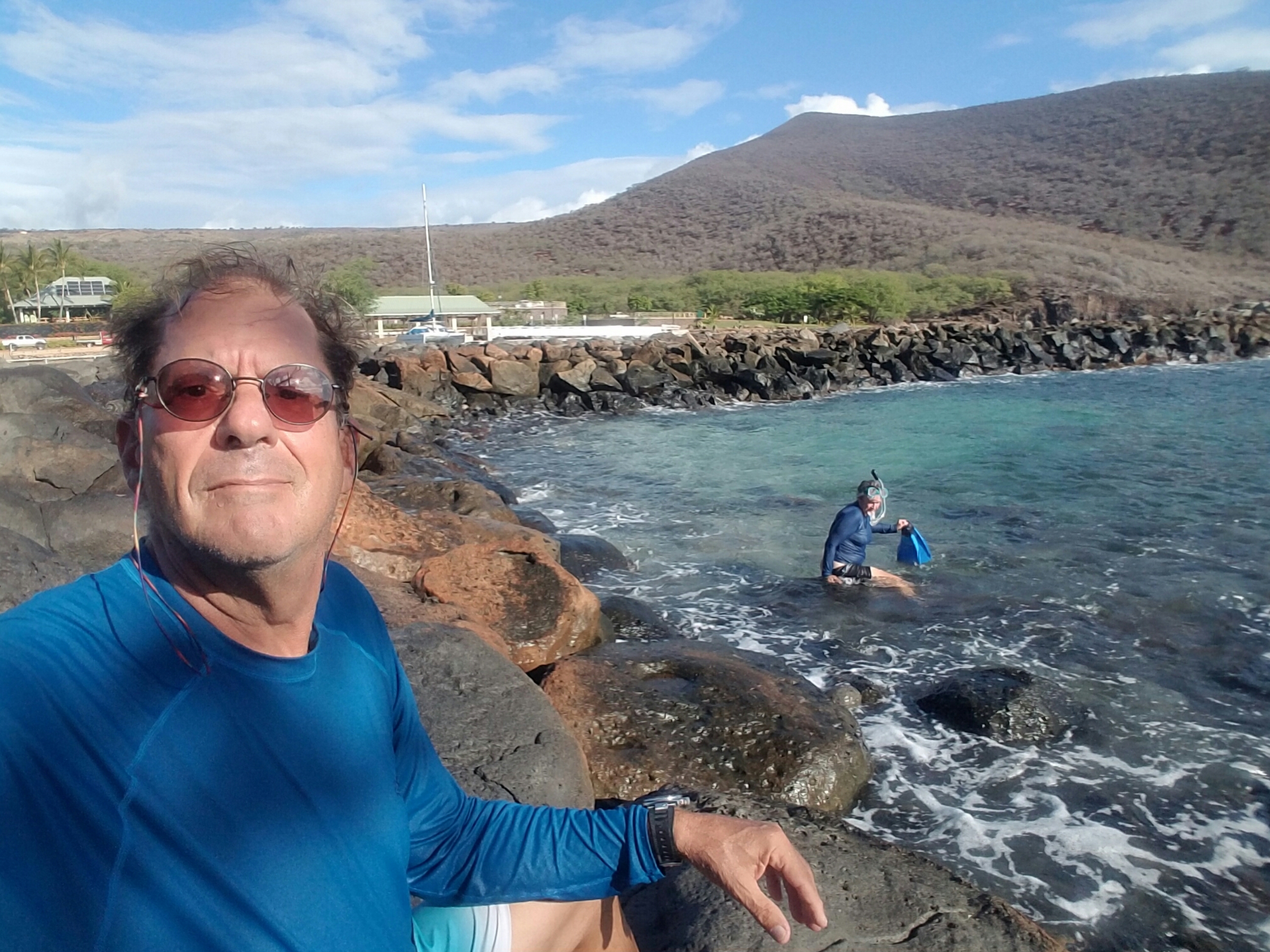
This morning, Thursday, we went snorkeling off the jetty. Fresh clear water made the abundant fish quite colorful. We also saw three medium-sized turtles swimming together. We just floated around and watched the fish swim around below us in the clear water. I got a good video of a school of yellow striped fish.
Megan got a video of one turtle swimming along the bottom. She trimmed the beggining and end to make it watchable (this time).
We ate lunch outside on a picnic table overlooking ManeleBay harbor.
I wanted to go snorkeling again, but the wind came up so we took naps in the hammock. Sometimes the hardest decision of the day is when to take a nap.
The plan is to go back in Oahu on Saturday. We will sail 60 miles downwind from Lahina to Honolulu in one day. The trade winds are back up in full force but we will be going with the wind this time.
Extra Bonus: Here is a second, longer video of the same school of yellow fish we saw today. It starts slow but I just float with the school and their movement as a school is quite beautiful.
I apologize for any and all typos, in advance. I often find a few lingering, after I publish the post. I edit and correct them as soon as I see them, but for those 25 or more people who have subscribed and get an email containing each post, please follow the link back to the web site to get the updated version.
We decided to stay in Hawaii for the winter. Not returning to San Francisco in September, locks us into staying at least another 6-7 months in Hawaii. April is the earliest weather window to sail back, and that assumes conditions are favorable. Generally this means that the Pacific High is established on the coast of California. This year, for example, the Pacific High moved into place very late in the season, the second week of July, just in time for the start of the Pacific Cup. We will take our chances with the timing of our return, and leave only when a weather window opens.
The key to this decision to stay was reaching agreement with the Kewalo Harbormaster that we can stay in our current slip, C-9, until April of 2017. We have permission to live on the boat. Honolulu will be our base, and from here, we will sail around the Hawaiian islands. The C dock is a mix of commercial boats, catamarans, and sail boats, which makes it more interesting than your typical marina. We have a tarp to provide relief from the sun and protection from the rain; and we love getting in the new hammock to watch the sunset, read or nap.
We have learned a great deal in our ten weeks in Hawaii, and there is much more to discover. Number one on our list is seeing the humpback whales. They come to mate and give birth. They do a “trickle migration,” starting in December, and by February, whales are supposed to be everywhere. We will sail to Maui to see them. Secondly, while in Maui, we want to go hike around the volcanic crater, and compare the sunrise and sunset. And thirdly, we want to go see the Kilauea Volcano on the Big Island, which recently started flowing lava directly into the ocean. We will sail clockwise around the island and try to see the lava flow into the water from the boat. We also hope that some family and friends might come to Hawaii while we are here, to share this experience.
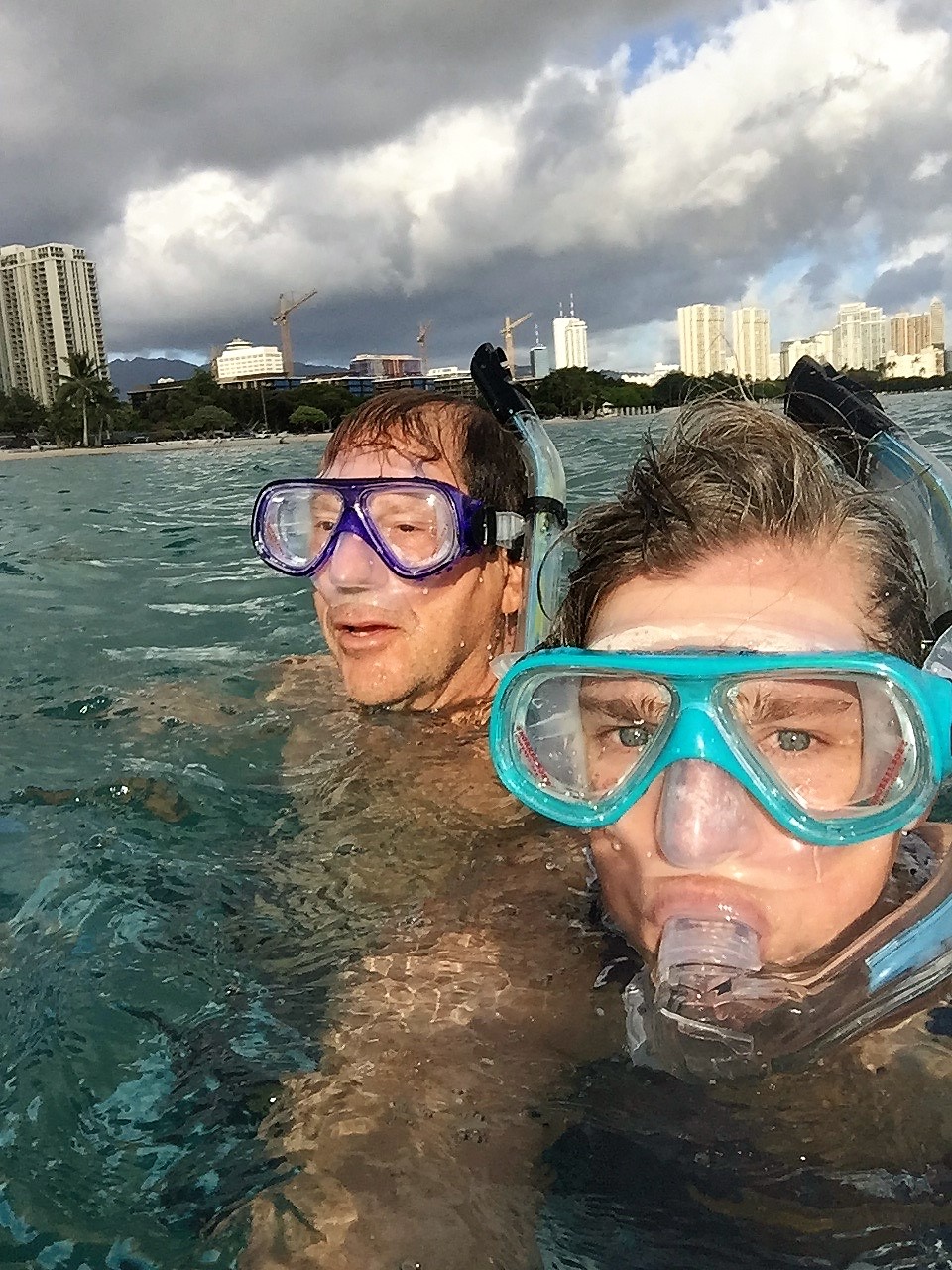
We are happy to be back on Oahu. We have been snorkeling on Ala Moana beach again, and this time saw a very big turtle up close. He was checking up out as much as we were checking him out. Megan had a new little iPad set-up for underwater photography and was able to get two videos of him.
We went to the Blue Note to hear Chick Correa for Megan’s birthday.
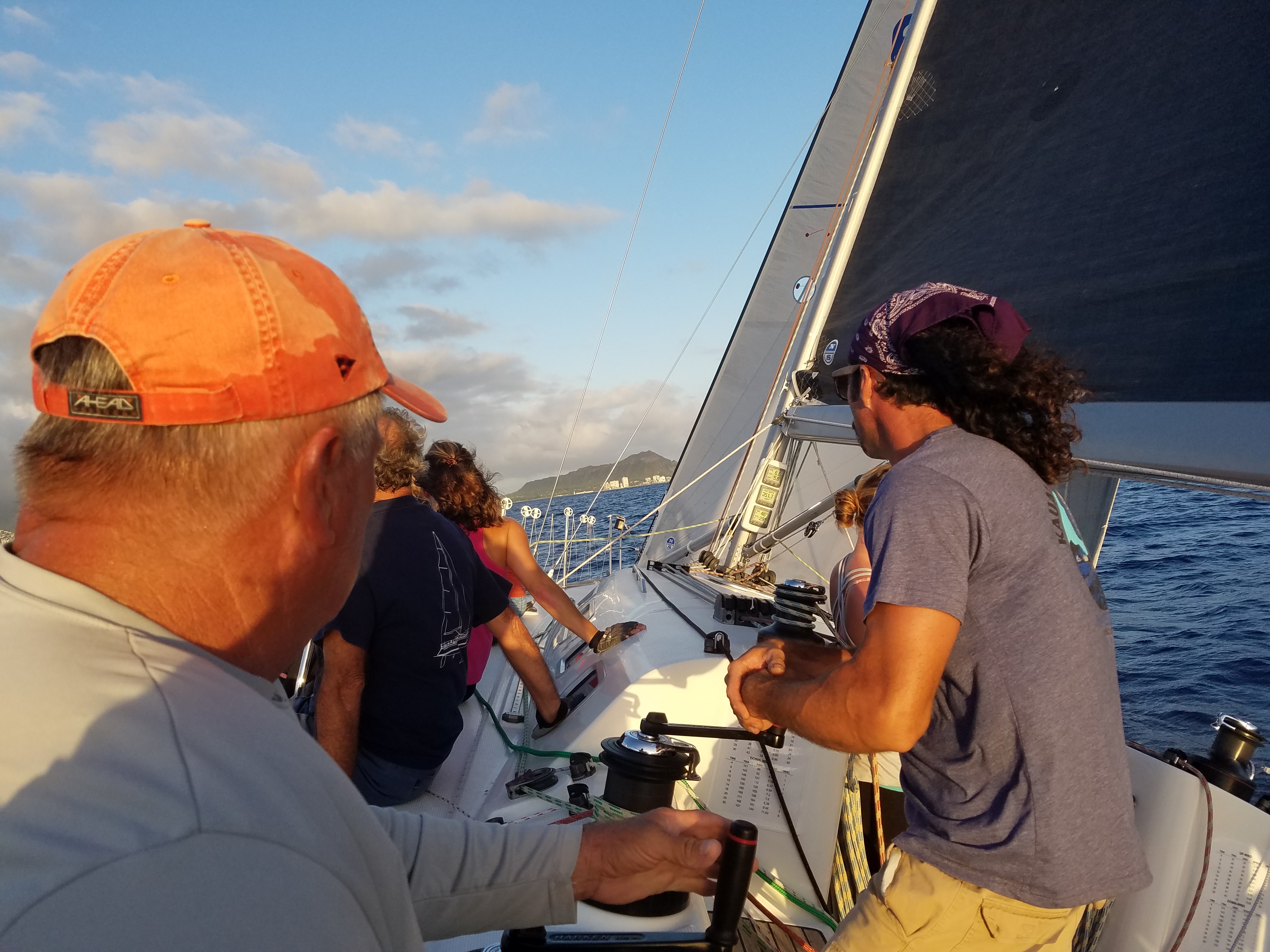
On Friday, Tom went sailing on Firefly in a Friday Night Beer Can race sponsored by the Hawaii Yacht Club.
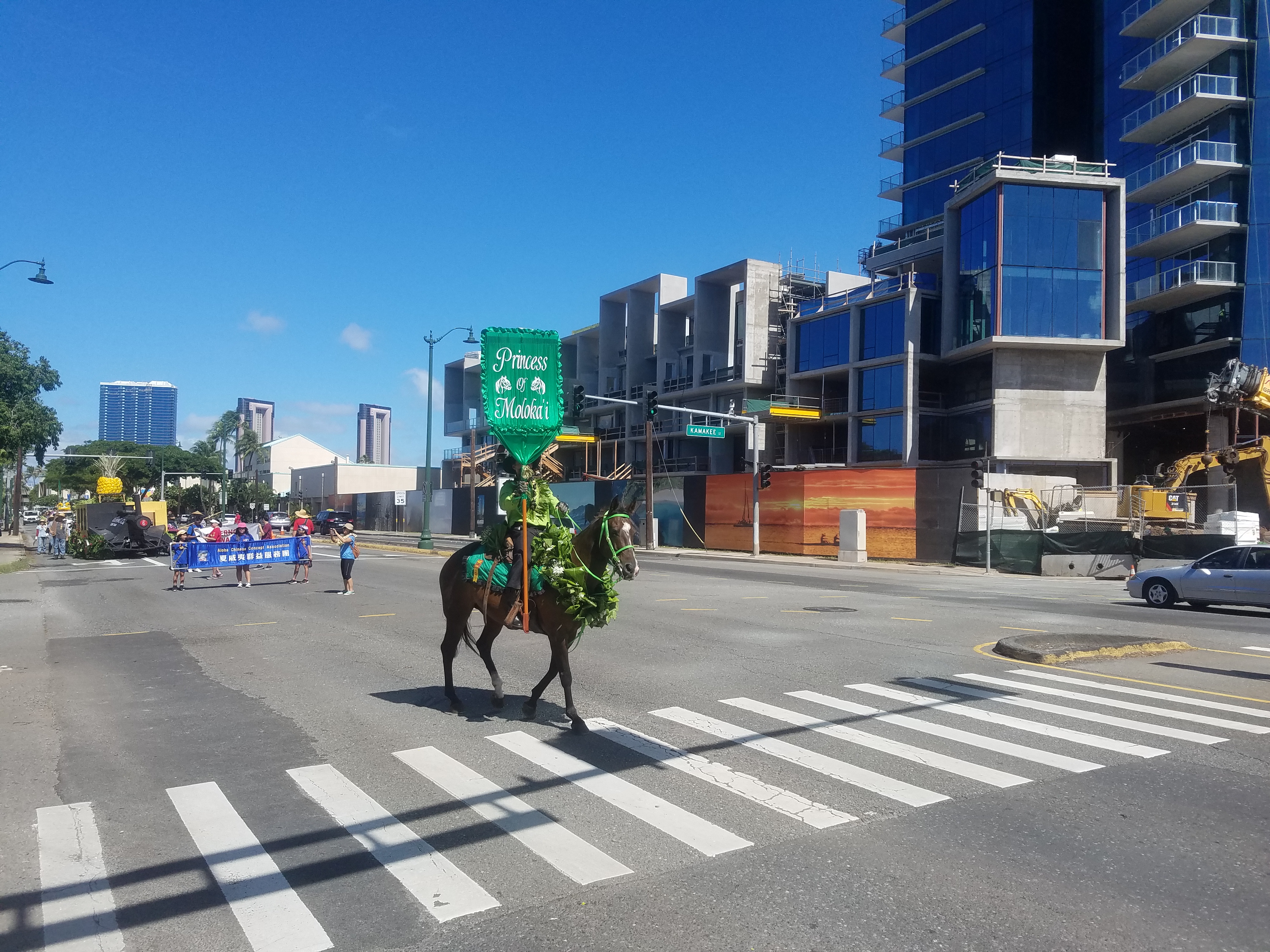
We are interested in the funny little cultural events that happen around us, like the Aloha Parade last Saturday, featuring Queens and Princesses from each island, marching bands and cultural groups (video of Hula group).
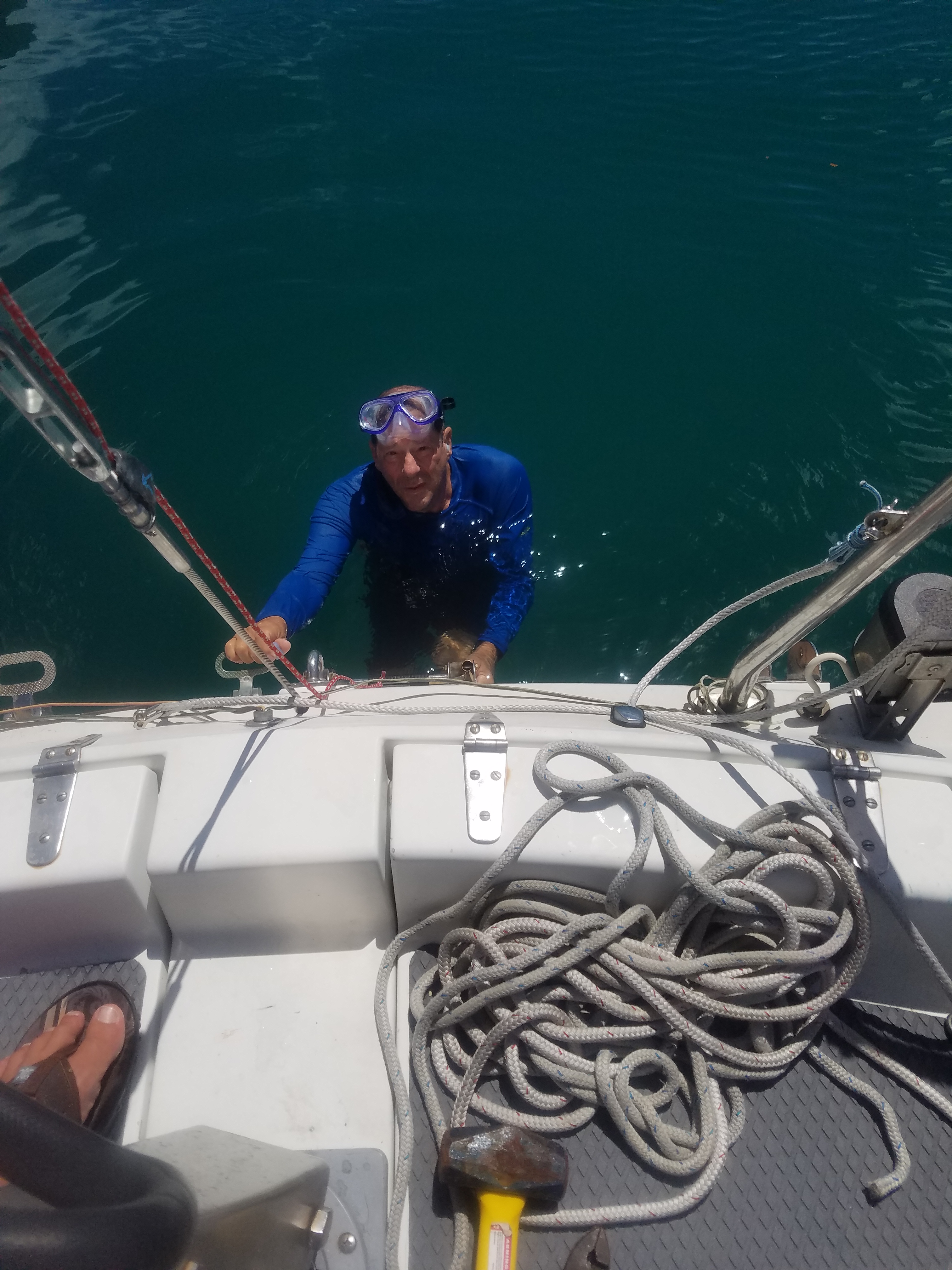
Over the weekend I cleaned the bottom with a soft sponge, completed a 250 hour tune-up on the new Yanmar engine. I made good progress on the ongoing list of boat projects, so Avion is ready to go.
Avion does not like to sit around for too long. Stay tuned.
“Shadowing” a race is something we started doing in SF. If we wanted to do a race, but had not registered for it, we would join in and do the race; or, if we missed the race on a Saturday, we would sail it on a Sunday. We sailed to Maui to participate in the Lahaina Return race, the most popular sailing race in Hawaii. It was cancelled due to the unprecedented threat of two hurricanes, Madeline and Lester, hitting the islands just before the start on Labor Day, one to the south and one to the north. We were in Moloki when the race was cancelled, and decided to sail the course of the race anyway. We wanted to learn about the race course, and sail downwind, from Maui to Oahu along the north coast of Moloki.
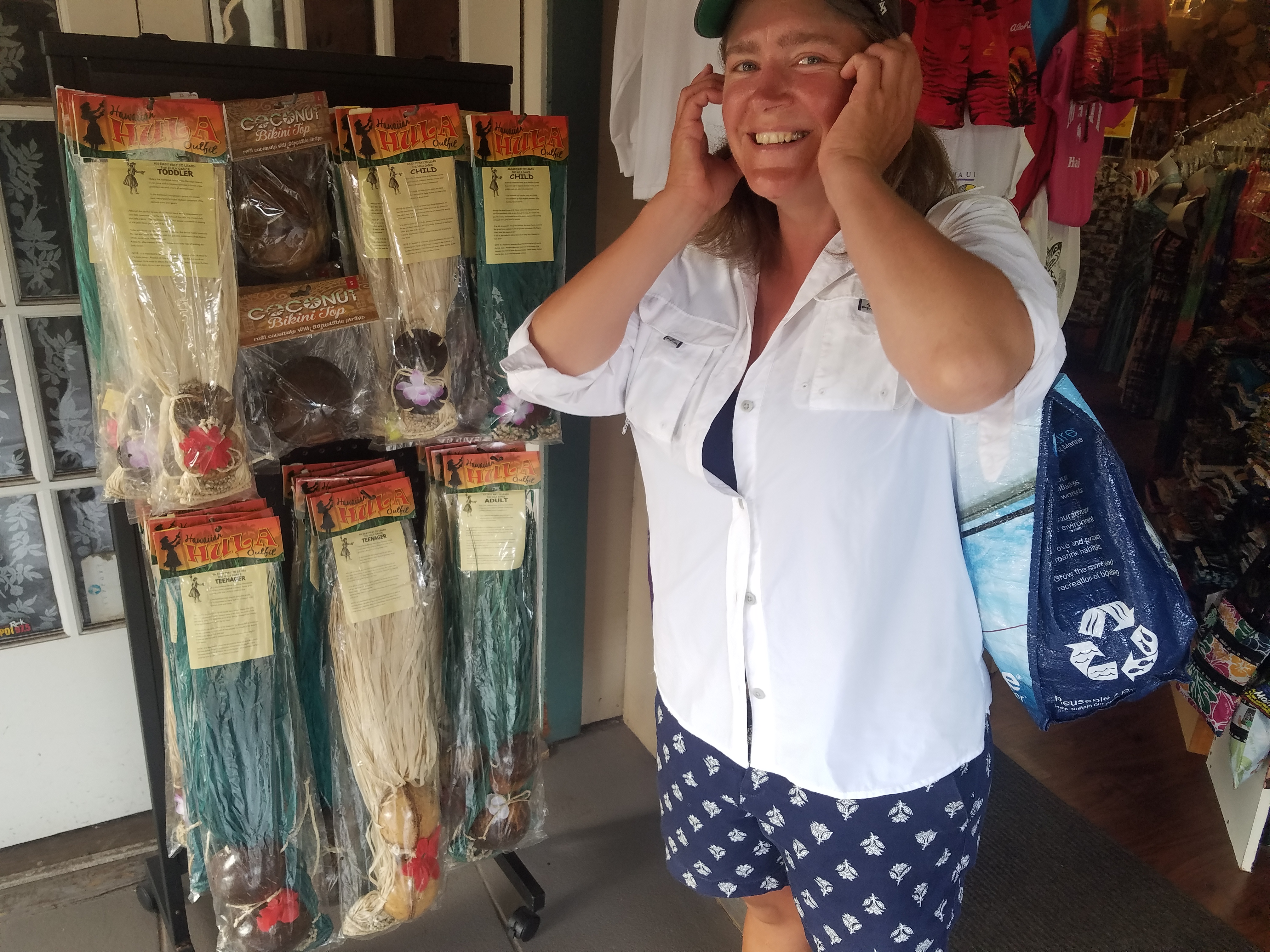
We enjoyed Lahaina. The people at the Lahaina Yacht Club were very friendly, and we went there to eat several times. The historic Banyan tree was a refuge from the sun, and the restored courthouse had a very good collection of historical artifacts from when Lahaina was the center of the whaling fleets in the early 1800s. I liked the original flag that was taken down when the island transitioned from a nation to a territory on July 7, 1898. Megan bought a hammock, and almost bought a Hulu outfit. We rented a car for 24 hours to ran errands, and took a trip up to Honolua Bay to do research. But after 6 days, we were ready to sail again.
The Lahaina Return race starts in Honolua Bay, a spot of the north western corner of Maui. We sailed there from Lahaina last Monday and dropped anchor in a spot recommended by Charlies Charts, on an 18 foot sand bar. It started raining shortly after our arrival, but it felt clean and refreshing. As soon as we were settled, I pulled out Finnegan (Barbarian Days) and reread the chapter on his life in Lahaina and surfing in Honolua Bay. I love to read about places while I am in them. He writes of massive waves in the winter months, and I was curious in the details of the waves and how they broke on the rocks. While anchoring, I had studied the bottom of the bay and could see how a wave would be shaped as it surged in from the north.
The anchor did not hold; it dragged slowly into the middle of the bay. I pulled out a second reference book (Mehaffy), and it recommended anchoring in the middle of the bay, so I let the anchor find it’s own spot to set. Avion swung on the anchor in response to the swell coming in from the north, and alternatively, to the wind. The wind was often strong enough to hold her sideways to the swell, generating a moderate rock-and-roll in the boat. The pattern was actually enjoyable, after you gave into it, but we both slept lightly. The next day, we had hoped to snorkel, but that was not possible; the water was chocolate brown with run-off from the river that flowed into the bay. Surfers were in the water near the rocks, but there were no waves, so we just relaxed, took turns in the hammock, observed and discussed strategy for “our race.”
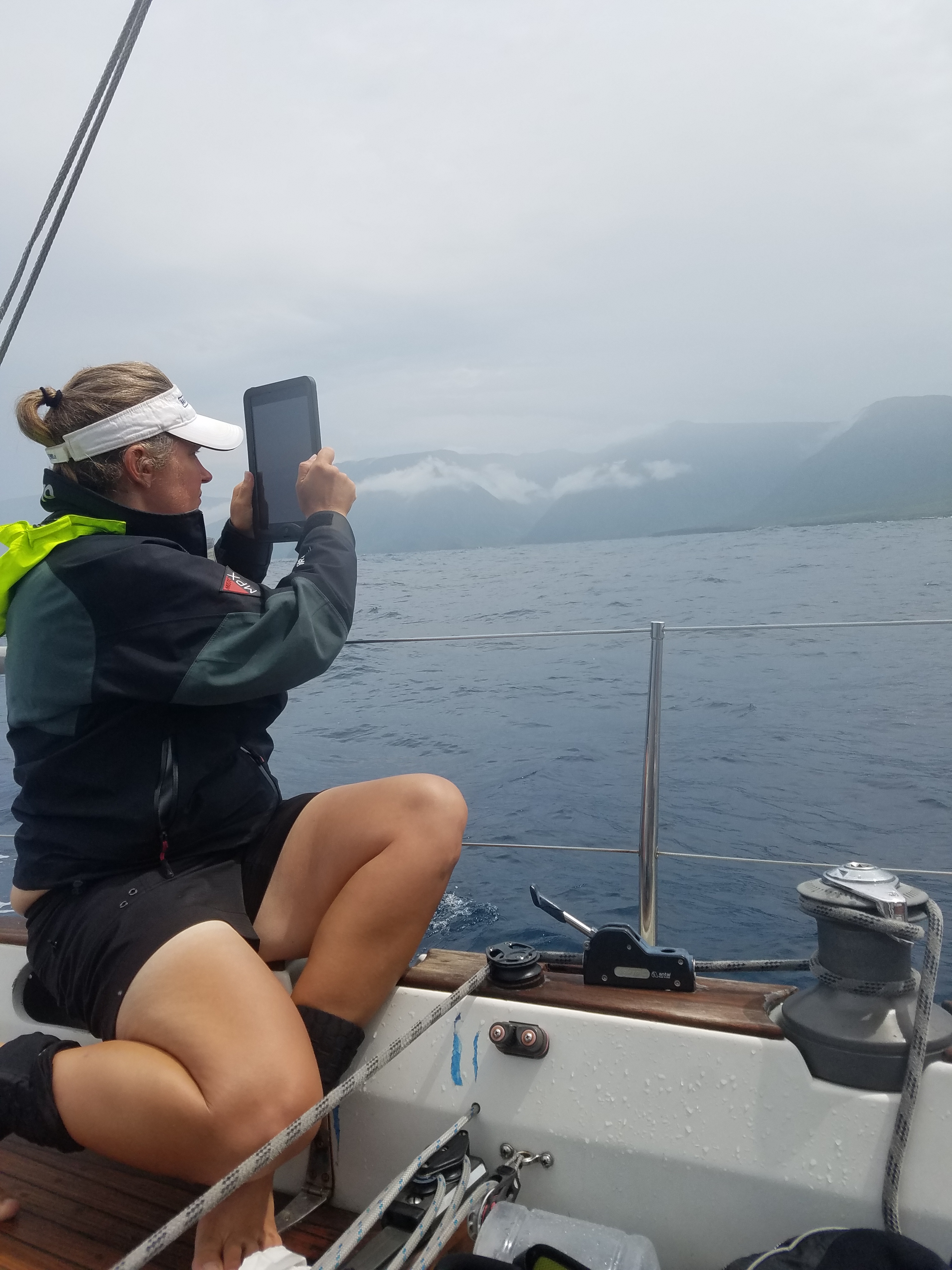
We left on Wednesday at 7:00 am, when the race would have started. We sailed toward the northeast tip of Moloki. As we came around the point, we saw a dark squall moving in the same direction. It eventually overtook us and we were in it for about 3 hours, at times in rather heavy rain and 25 knots of wind. We sailed under the main sail only with a double reef and the boat was happy. The air was warm, and we comfortable in our rain gear. We could see well enough to be safe, and the rain was strong enough to beat down the waves and make interesting patterns. It was dynamic and the pattern of the rain beating down on the waves was beautiful.
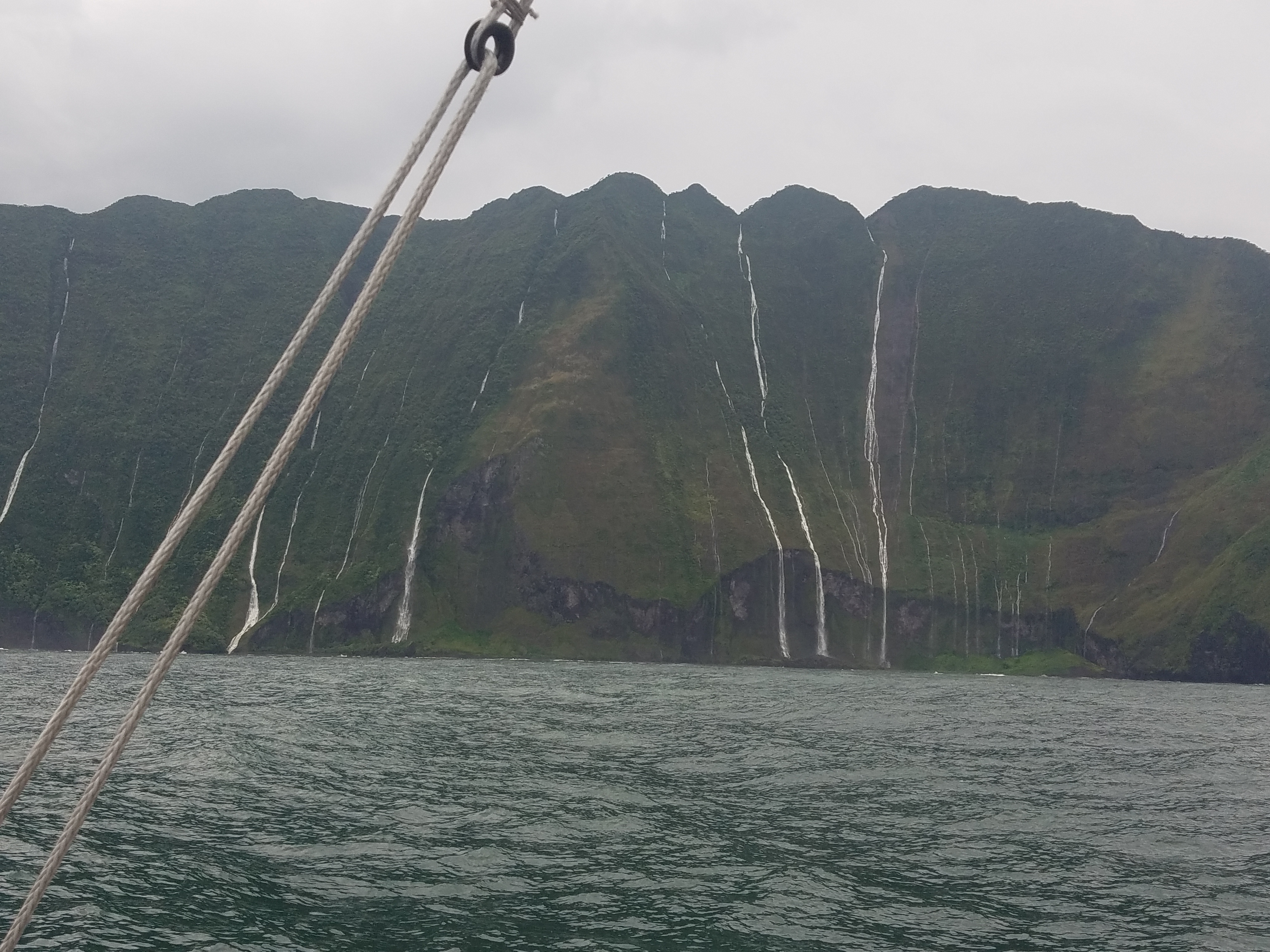
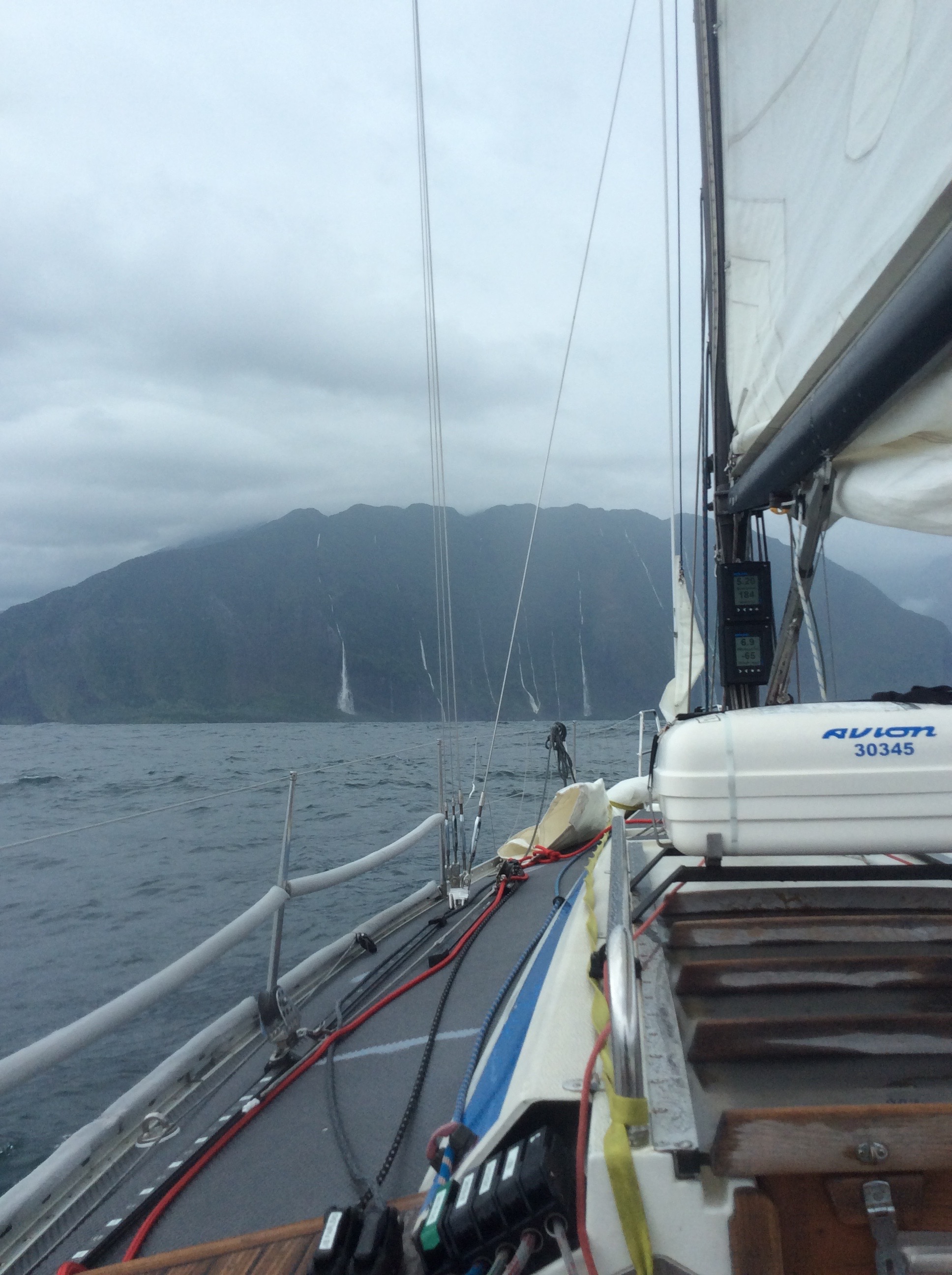
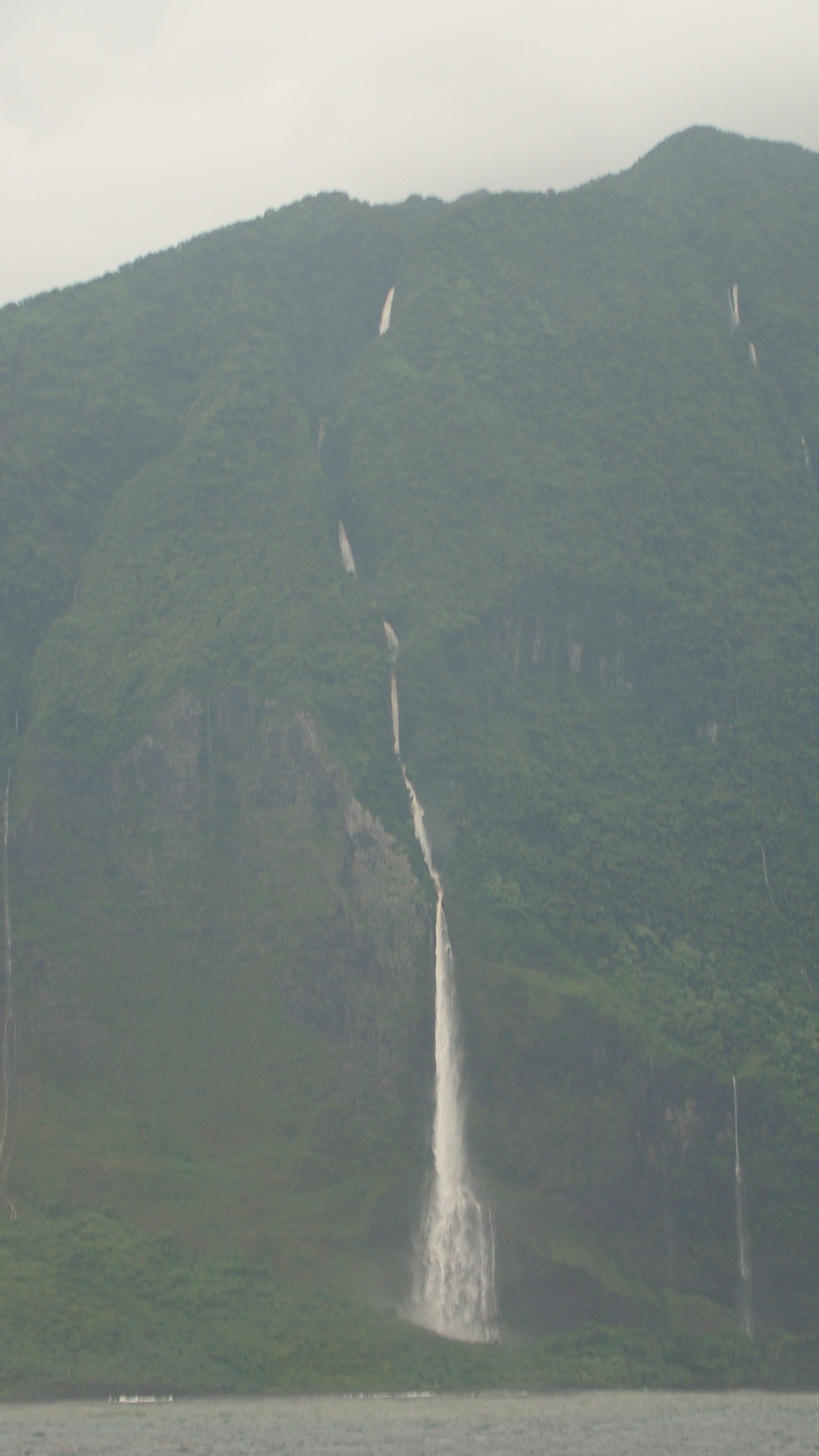
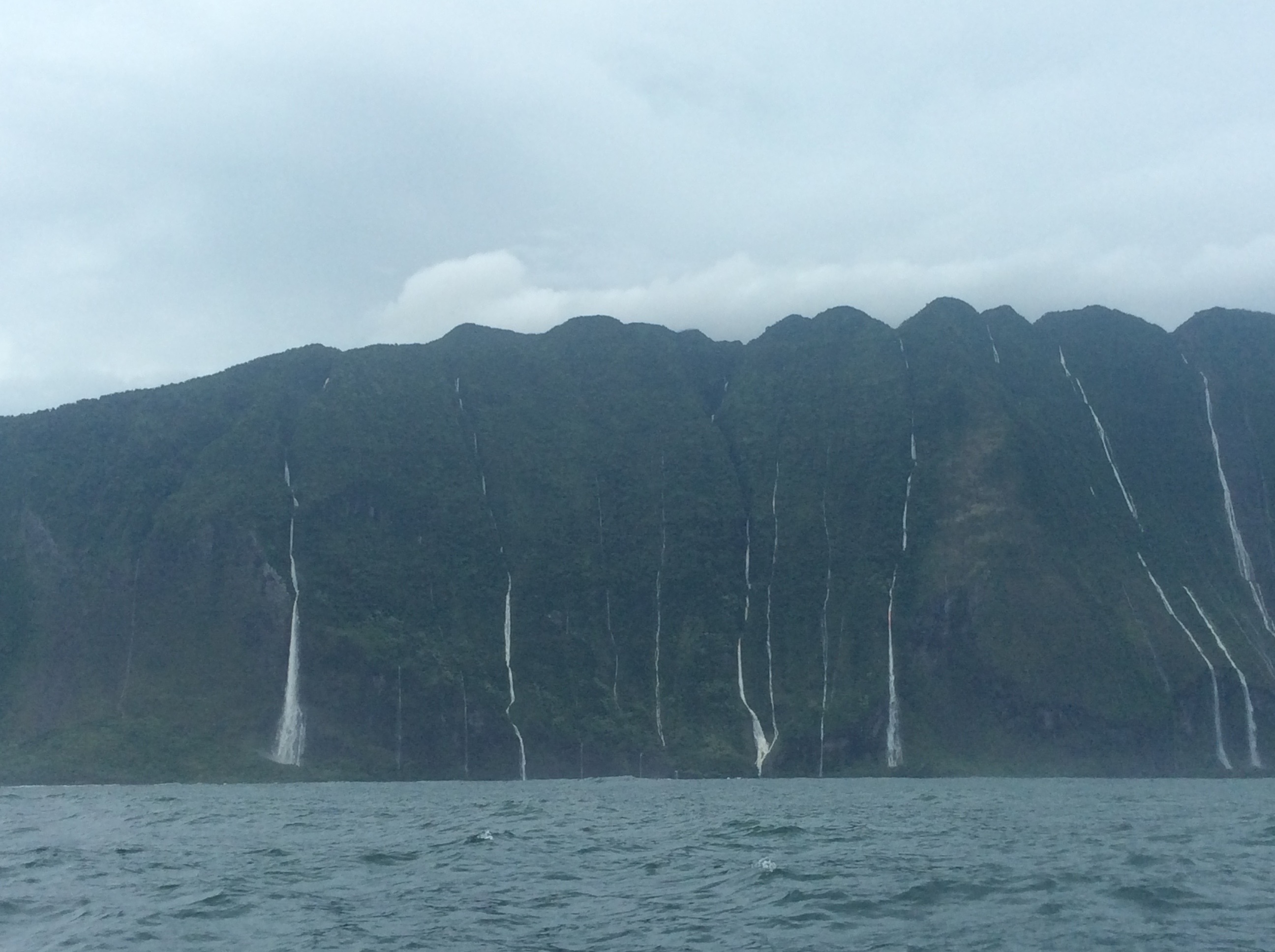
The north coast of Moloki is undeveloped and will probably never be. Once I saw the volcanic structure of the steep 3,000 to 4,000 foot cliffs I understood. Many waterfalls jumped out at us as they were all full of water, flowing at maximum capacity. In one area, we motor sailed in close to get a good look, and could hear the crashing and cascading water. Very exciting.
We sailed past the peninsula where the Leper Colony was located. There are still 60 people living there. The plan is to convert it to a national or state park, once they have all died off. It will be quite a beautiful pace to visit. We sailed to a a spot on the western coast of Moloki near where a failed Sheraton resort is located, with beautiful beaches. We anchored under a bluff that protected us from the wind. In the morning, I swam through the heavy current to the beach and explored. I was surprised to find pieces of white coral scattered on the beach, and lodged into holes in black lava boulders. I brought several pieces back to Megan, but she said they were still alive and made me throw them back in the water.
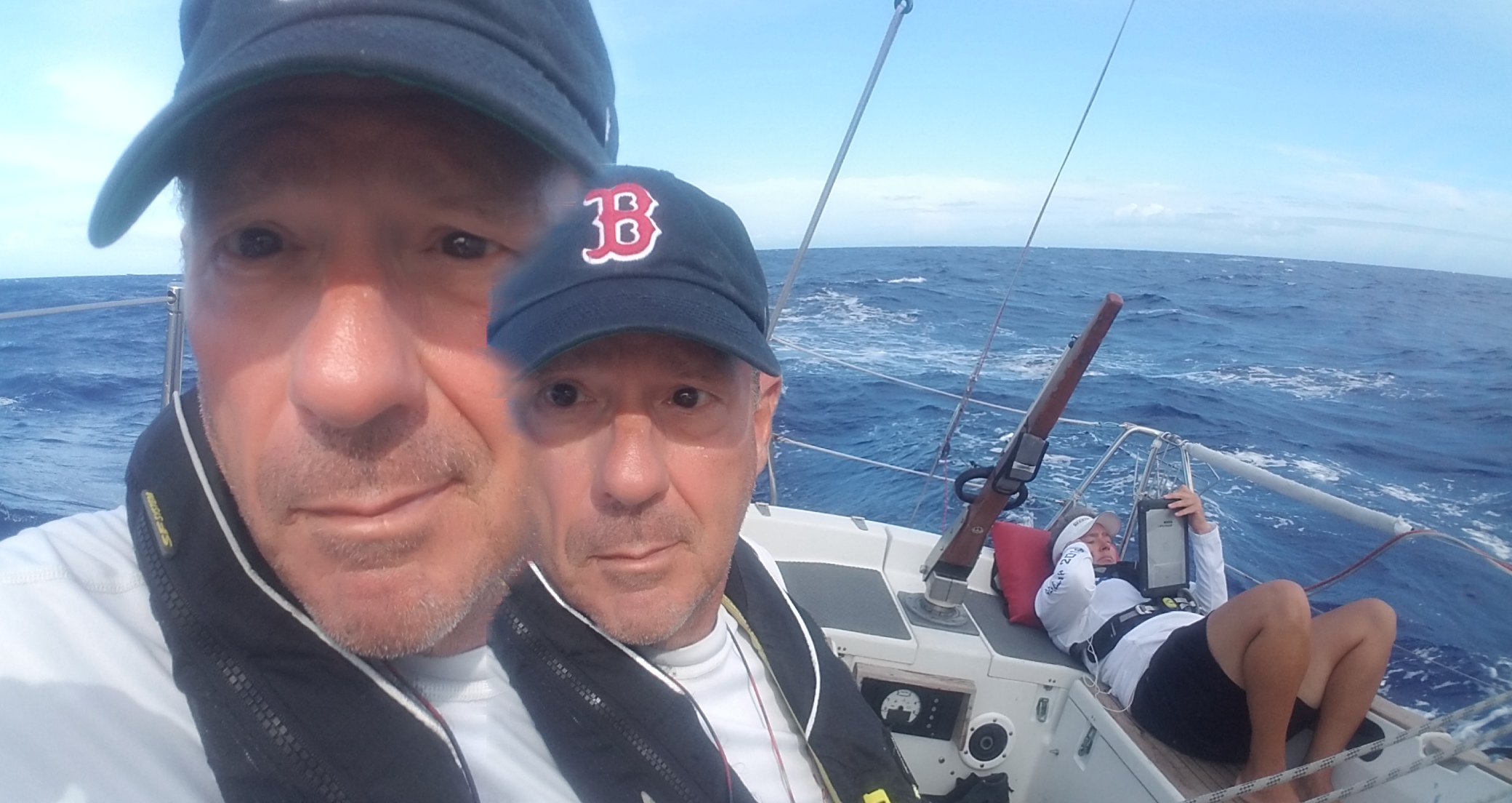
We decided to sail off the anchor. We raised the sail, but only half way. Avion is a dynamic boat; she wants to move. The current was strong, and with a 24 knot wind gust, she surged forward against the anchor line. We had not raised the sail fully, so the boom was low and swinging in the cockpit, and at some point bumped Megan in the head (her Red Sox hat protected her). I was unable to pull up the anchor, and had to wait and be patient. After a couple of minutes, the wind let up just enough to relax the anchor line, and I was able to quickly pull it up and secure the anchor. We were under way.
The rest of the day was “champagne sailing,” downwind in moderate winds of 20-24 knots in the beginning, and then 15-19 knots the rest of the way to Oahu. We sailed the 40 miles in about 6 hours, between 7 and 8 knots of boat speed, under just the main. We started with a double reef in the beginning, went to a single reef in the moderate wind. In the last third of the trip, I tested the NKE gyro-pilot in true-wind mode, and it did fine. We sailed around Koko Head and Diamonhead around 5:30 pm and saw Hoinolulu again. We decided to sail into our slip at Kewalo Harbor, and dropped the main, once out of the wind, as we would finish in a race.
So, we did the race. We may have been the only boat to sail the course this year. We needed two days, but came in first, and learned a lot about the places along the course. Now we want our tee shirts. Stay tuned.
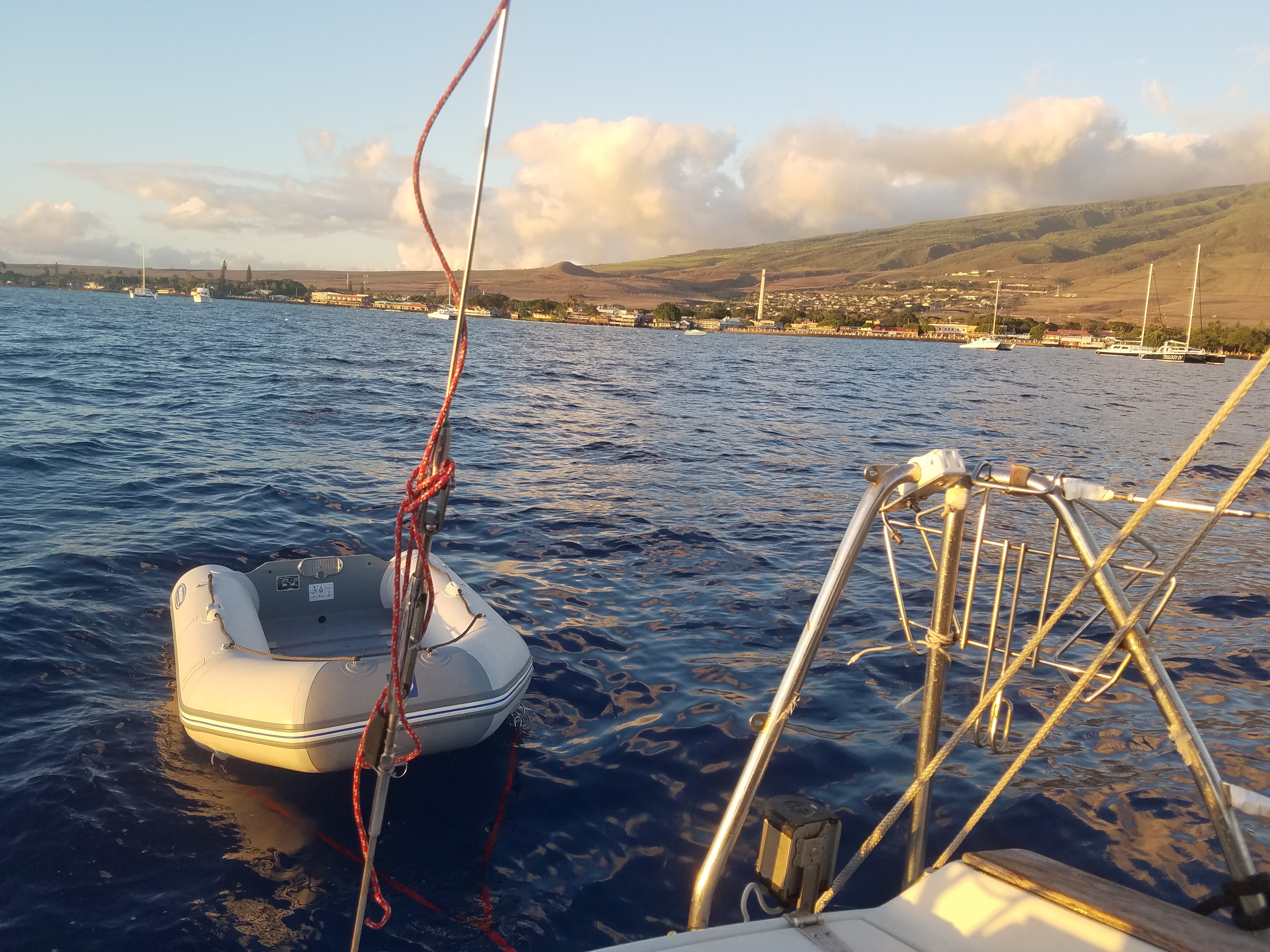
After the two hurricanes passed the islands, we sailed from Moloki to Maui in about 6 hours. We had 25 to 30 knot winds in our face at the start of the crossing, but it calmed down to 20-24 knots, and we were able to raise the main sail with a double-reef. We made 6 to 7 knots on a tight reach across the channel. After we got into the wind shadow of Maui, the winds died and we motored down to Lahaina. The Lahaina Yacht Club has eight mooring balls outside the harbor, and we took #2, and settled down. At dusk, we rowed the inflatable into the harbor to walk around the Old Town area. I like to row, but this mooring ball was pretty far out, and the return trip took forever in the dark. The next day, we rowed back in against the wind and the current to make our landing official with the Lahaina Yacht Club and the Harbormaster. While meeting with the Harbormaster, we asked about a slip and he sail he had one available. When there is a choice between a slip and a mooring ball, a slip is the obvious choice. We moved that afternoon into the harbor, slip #84. We now have water and electricity, and can walk into town whenever we want.
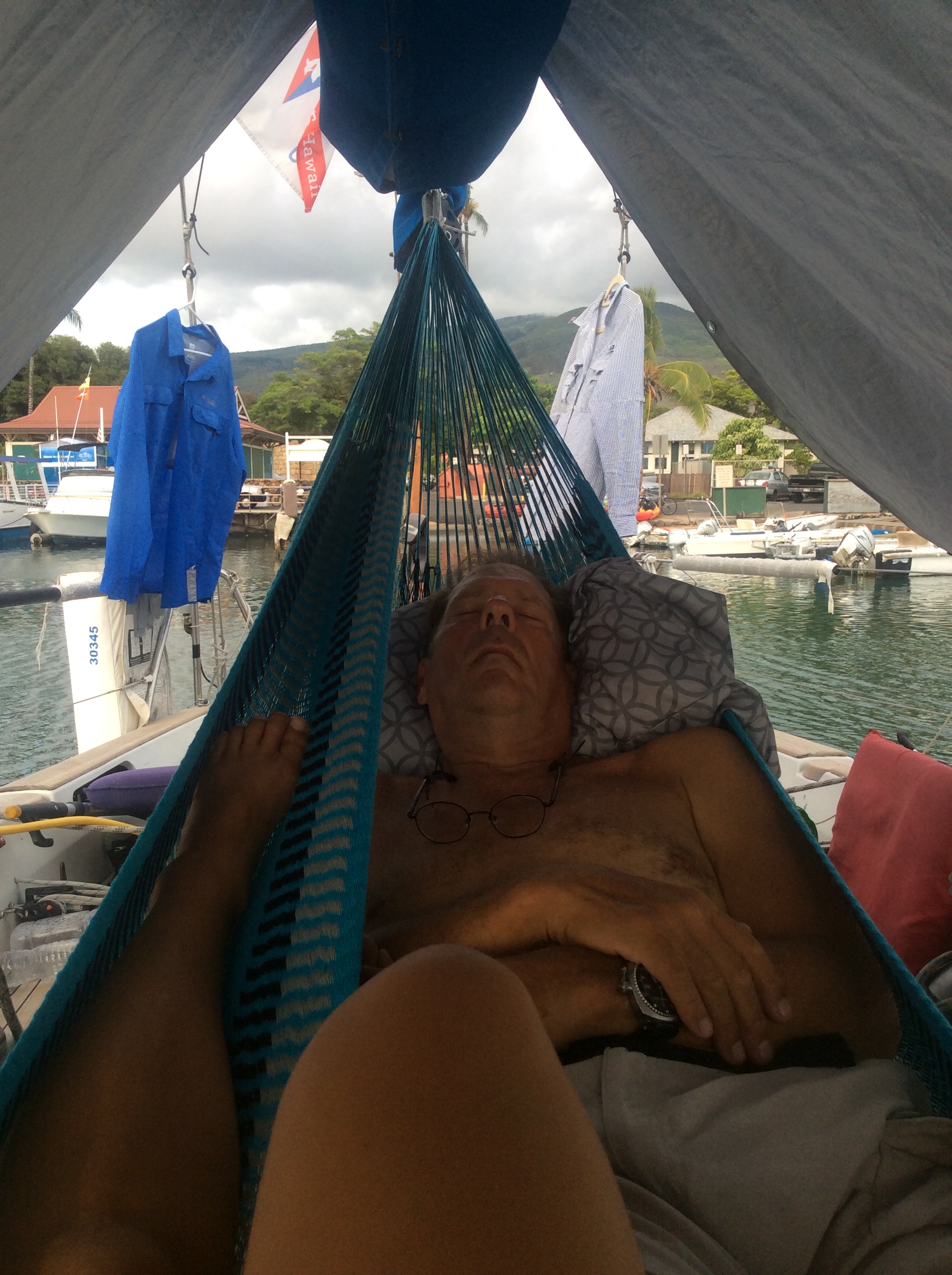
We have been sailing for 2 months, living on a boat, and doing incredible things. Our relationship has been strong and steady, but we both realized we needed some down time. My allergies flared-up and I started having trouble sleeping, and I needed to rest. Thus, we have not been terribly ambitious here on Maui. We gave each other some space to take took long walks, hang out under the huge Banyan tree near the harbor, visit the Lahaina Yacht Club, and watch some USOpen Tennis (Serena lost to Pliskova) . Megan decided to buy a hammock for the boat, and I found a place to hang it in the shade, along the boom, so we now have a nice cool place to “hang” (literally) and read, watch the incredible sunsets or sleep.
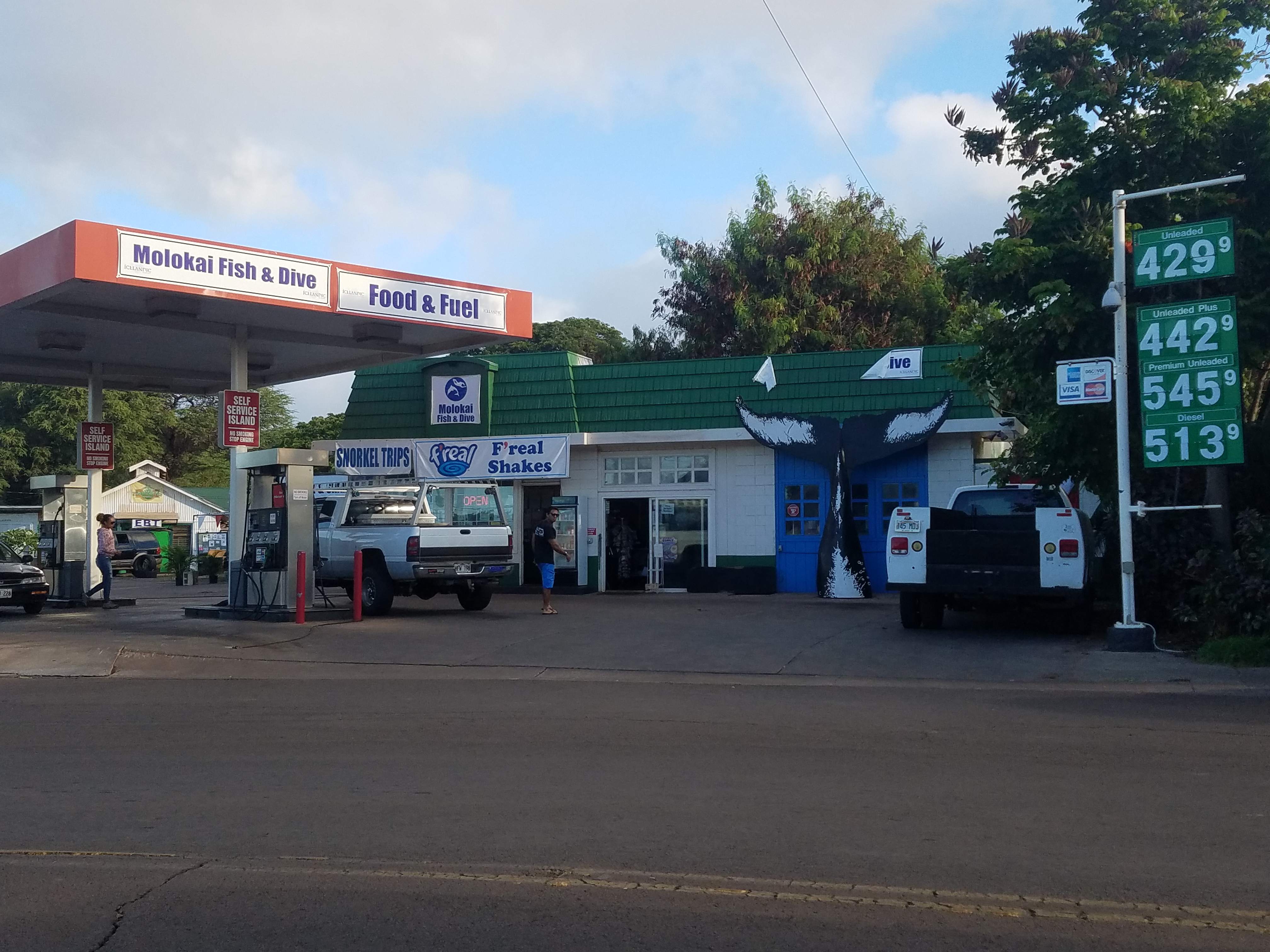
While we were in Moloki, and old tennis friend called me out of the blue, and asked if I was back from Hawaii yet. I said no, we were still in Hawaii, on the island of Moloki. He said, I have an old friend who lives on Moloki, you have to look him up, he owns a gas station near the harbor. I went to the two gas stations in the town of Kaunakaki, and learned that Ed had sold his station, and retired, but his wife was working in a credit union. The lady at the gas station said, just go talk to her, she will give you Ed’s number. So I did; I found her, and she was friendly and interested and said she would tell Ed about my visit. An hour later, they called and invited us to dinner at the local pizza place. We connected on many levels. Ed was born on Moloki, but grew up in the East Palo Alto, and worked for HP, and we had common friends, so the conversation flowed easily. We both had plans for the next day, but agreed to have breakfast the following day, Saturday, at the Bakery. After breakfast, they drove us around the island. They took us to the overlook and the clouds cleared long enough so we could see the peninsula on the north side where the old Leper Colony was housed, and to a beach with an old peer with good snorkeling (we went there the next day). The dialog was strong enough that we met for dinner that night, at the Cookhouse. We spoke about the economics of life on the island, ranch that owns 60% of the island, the failed Sheraton resort, barges and ferries (the one ferry will shut-down next month), and the several businesses that Ed had started on the island. He created about 50 jobs on Moloki. Ed and his wife made our stay in Moloki a much deeper and satisfying experience.
We are planning to leave Lahaina this afternoon, or maybe tomorrow (if we can find the Patriot’s game on TV in a sports bar). We will sail up to Honolau Harbor on the northern tip of Maui, and drop a hook for a couple of days. It is supposed to be a great spot for snorkeling, if the water is clear, and the winds are mild. Then we will sail along the wild and undeveloped north side of Moloki. The terrain is so rough that there are no roads, so some places can only be reached by boat. We will then return to Honolulu, and our slip at Kewalo Harbor.
It is time to make a decision about our return to “the mainland,” as the locals say. Do we stay for the winter, and continue to sail the islands, or return to SF in late September? The weather window for a return trip closes by the end of September. If we stay, the next weather window is April of 2017. So, this is a big decision. While in Lahaina, we learned that the humpback whales come in January to mate and give birth; we still want to do the sunrise/sunset at the cater on Maui; and there is an active volcano on the big island, and the lava is now flowing all the way to the ocean. So if we stay, there is lots to do. The obvious choice is to stay, but we are doing things with intention, so we will evaluate the options when we get back to Oahu. Stay tuned.
Avion is in a safe slip Kaunakakai, the main harbor of Moloki. We just learned the the Lahina Return Race has been cancelled due to the double hurricanes. Madeline hit Hilo this morning, and will pass to the south. The prediction is we will get 25 knot winds tonight but hopefully the heavy rain and swells should stay to the east and south. Lester is due to pass by to the north on Saturday, but throw off heavy winds and 15 foot swells to the windward side of the islands, and in the channels. Thus, we will stay here until things settle down.
We rented a car and drove 34 miles out to the eastern end of Moloki this morning. The Halawa Valley was the site of the first settlement, very remote with a big waterfall. We wanted to hike to it, but hiking was not allowed due to the “Double Trouble.” Oh well, there are plenty of other places to hike over the next few days.
We are now talking about heading over to Maui after the storms pass and the trade winds settle in again. Stay tuned.
We sailed Avion to Kewalo Harbor in Honalulu last Friday. We left Kaneohe Bay at 6:00 AM and had an easy day sail around the south side of the island. We have a slip here for two months in this commercial-boat harbor. We are actively considering staying longer, although redevelopment plans for Kewalo Harbor are pending so we may have to change marinas. From here, we can explore longer-term options in the area.
Each day we go out in discovery mode to find the things and services we need now that we are here in Hawaii. We have found places to buy things like goggles with prescription lenses, snorkels with two tubes, flippers, swimming suits that will dry (quickly), flip-flops, short pants, rash-guard tee-shirts, kickboards, and other equipment so we can play in the water. We have found places to buy food and ice, fill prescriptions, and send mail. After these exploratory trips mid-day, we go to the beach at Ala Mona Park to swim in the late afternoon.
On Wednesday, we spent most of the day at the beach. We went to the beach at 11:00am in the morning, to catch the high tide. Once we were all geared-up, I realized we have may have invented a new mode of playing in the water: snorkel-surfing. I swam out beyond the reef to where the surfers were catching the breaking waves in my snorkel gear and kickboard. The surfers ignored me while I hung with them and watched the waves form and surge by us. By stretching out with the kickboard and kicking with the fins, I was able to ride some waves for a short distance. But with my new goggles and snorkel, I found that looking down at the fish was more interesting. I saw much larger, more colorful fish, swimming in schools. I just hung around and watched the fish.
Eventually, I realized that Megan had not followed me out, that I was alone, and the wind was blowing me side-ways to the beach. I wondered if I might be exposed to a rip-tide. I took a minute to catch my breath, found a bearing (a new high-rise building), and started swimming up-wind, against the tide. I swam out and around the surfers, into a section of heavy waves, and slowly made progress toward an area with heavier waves. Eventually I got into the larger waves letting them carry me back over the reef and into shore. I followed my bearing back to Megan, who was waiting for me on the beach.
We will go snorkel-surfing again to take another look at the big fish on the outside of the reef. This time we will go together, staying together.
The new picture at the top of the blog is from our launch-spot, on Ala Mona beach. Megan took it, using panorama-mode on an Apple-device. It is just 5 minutes from the boat.
We spent the morning copying, sorting, consolidating and naming pictures from our devices (Apple, Android, camera). I have just created a new page and published them there. There is an order, based on the naming convention I developed, but it is not really visible to end-users, so they seem to be in random order. Most are pictures, but there are some short videos as well.
These picture and sort videos give another dimension to our daily experience during the race, driving, morning sunrises, catching a fish, the sea-surface, enjoying the sun during the day, the first sighting of land as we approached Hawaii, and more. I hope you enjoy. Look for the page named “2016PacCup pics”, at the top of the blog. The URL is: https://avionbianca.com/2016paccup-pics/
We finished late Monday evening on July 25th, thirteen days and 12 hours after the start. Yesterday we indulged in the simple pleasures of civilization, hot water (showers), food cooked by someone else (that is handed to you), ice (in a bag for $1), laundry service (just give the dirty clothes to someone), barbequed fish (ahi), cold water (lots of it), and lots of conversation (with other sailors). The stories are about what broke (lots of stuff, on other boats), how many sails they tried to use and lost (many spinnakers), how heavy the wind was, how fast they went, how tired they got, when they finished, and if they got an award. Records were set in the heavy wind. We have not been following the Pacific Cup web site, so we know very little about this topic, and turn that into questions.
What interests me is the stories about what went wrong on other boats. One sailor friend said, “If this was my first Pacific Cup, I am not certain I would do another.” He was referring to the heavy wind , confused sea state, and all the things that went wrong on his boat. Putting together the stories, not including blowing-out various sails, there were issues with rigging, securing with the mast, engine harness melting, refrigerator failing, head failing, through hull valves blowing out, satellite phones failing, instruments failing, autopilots failing, water tanks leaking or being contaminated with salt water, and more.
As I hear the details, I feel secretly proud of Avion, as she had none of these issues. Plus, we drove by hand 95% of the time. Some boats used the autopilots the whole way, and the sailors just pushed buttons and hung on (“hiding behind the dodger”). We drove Avion by hand (tiller, not wheel), in 3 hour shifts (very demanding), because we could adjust to the sea-state and waves better than the autopilot. But when the news about Darby came out, and we slowed down to avoid it, we started using the new NKE gyro-pilot, and we were very happy with the performance. In moderate conditons, it drove the boat as well as we did. This is important knowledge for Megan and I as we prepare to do some cruising around the Hawaiian islands.
I was protested by the race committee yesterday. I violated a new rule about not throwing trash into the ocean. When I threw the S4 spinnaker back in the water, after retrieving it to get the lines and hardware off it, it became ocean trash. At the time, my calculation was that the sail was beyond repair; and it would be a big wet mess on the boat, I had no where to put it. But now I have been educated; I do not want to pollute the ocean with a big piece of nylon that will not degrade for years. I agreed to a 24 hour penalty to avoid going to a hearing.
Yesterday I looked at the blog, and was surprised that there were over 70 comments that needed approval. I am flattered that over 20 people regularly logged-in during the race. It is one of the wonders of the internet that it is possible to follow sporting events in real-time. Today, Megan and I have been consolidating our pictures, and after this posting, I will start to upload pictures from the race. Stay tuned.





























 avionbianca